Show summary Hide summary
- Why beetroot is getting attention for blood pressure control
- What the research says: measurable drops, but not a cure
- How beetroot transforms into a vasodilator in your body
- Practical ways to add beetroot to your meals
- Safety notes and how to include beetroot responsibly
- Ideas for making beetroot part of a heart-healthy routine
- Have you tried beetroot regularly?
A humble, inexpensive vegetable may quietly help lower your blood pressure. Often overlooked, it contains compounds that ease blood flow. Clinicians and studies are taking notice.
Why beetroot is getting attention for blood pressure control
blood pressure: cardiologist reveals the top vegetable that’s a powerful vasodilator
NY ER doctors: 5 ways to stay energized and keep your mind sharp on 12-hour shifts
Beetroot, common in markets and kitchens, is rich in naturally occurring nitrates. These compounds feed a chain of reactions in the body that produce nitric oxide. Nitric oxide helps the muscles surrounding blood vessels relax. When vessels relax, they widen and blood travels with less resistance.
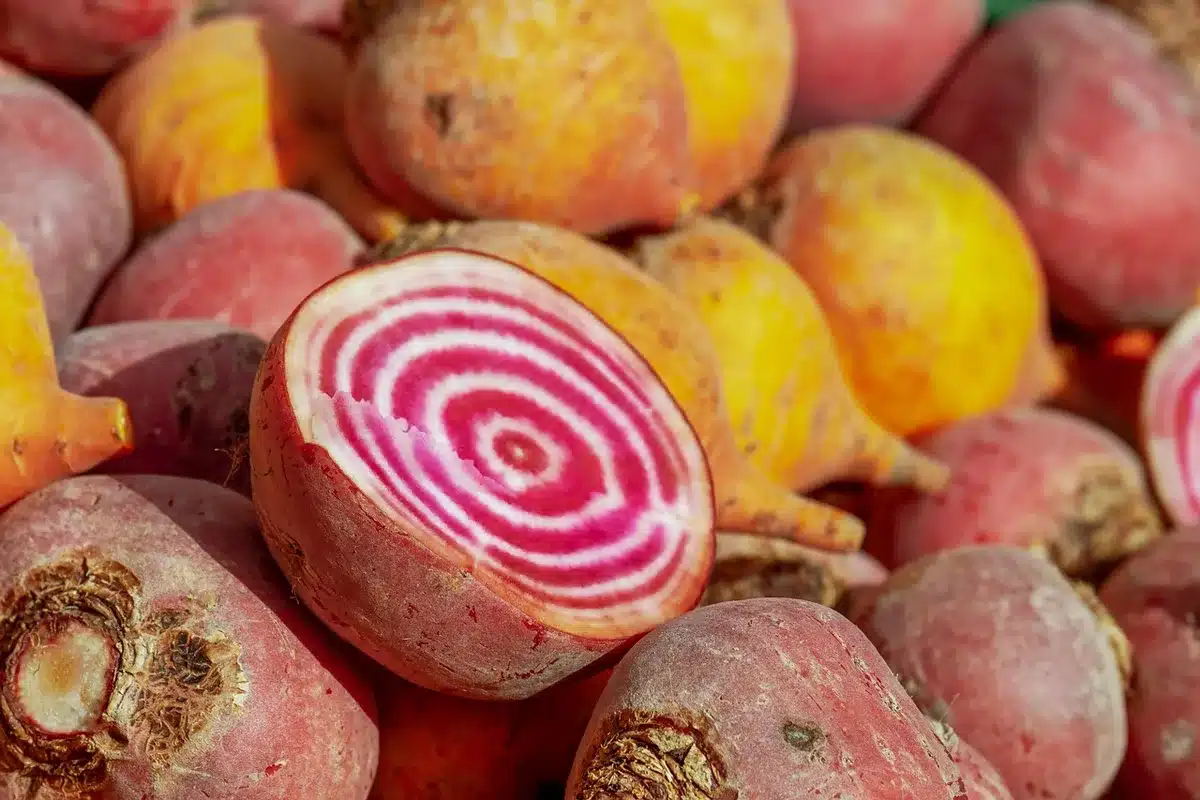
Think of it as widening a narrow pipe. With a broader channel, the same volume of fluid moves more smoothly. That is the principle behind how beetroot can slightly reduce the force blood exerts on artery walls.
What the research says: measurable drops, but not a cure
Clinical evidence points to modest benefits. A recent meta-analysis pooling multiple trials reported an average fall in systolic blood pressure of several mmHg after regular intake of beetroot juice.
- The reduction was most noticeable for systolic pressure, the top number.
- There was little consistent change in diastolic pressure, the lower number.
- Results were stronger for concentrated juice than for every beetroot preparation.
Researchers stress that these findings are promising but limited. Beetroot is not a replacement for medical treatment. It may offer a small, supportive effect within a broader heart-healthy routine.
How beetroot transforms into a vasodilator in your body
When you eat beetroot, dietary nitrates convert to nitrite and then to nitric oxide. This cascade supports vessel dilation and better circulation.
Nitric oxide performs several key jobs:
- Relaxes vascular smooth muscle.
- Improves blood flow.
- May lower the workload on the heart.
These actions explain why clinicians consider beetroot a useful dietary option for vascular health. Still, the effect size is moderate and depends on dose and form.
Practical ways to add beetroot to your meals
Beetroot is versatile. You can eat it raw, roast it, or drink it as juice. Each method offers different benefits.
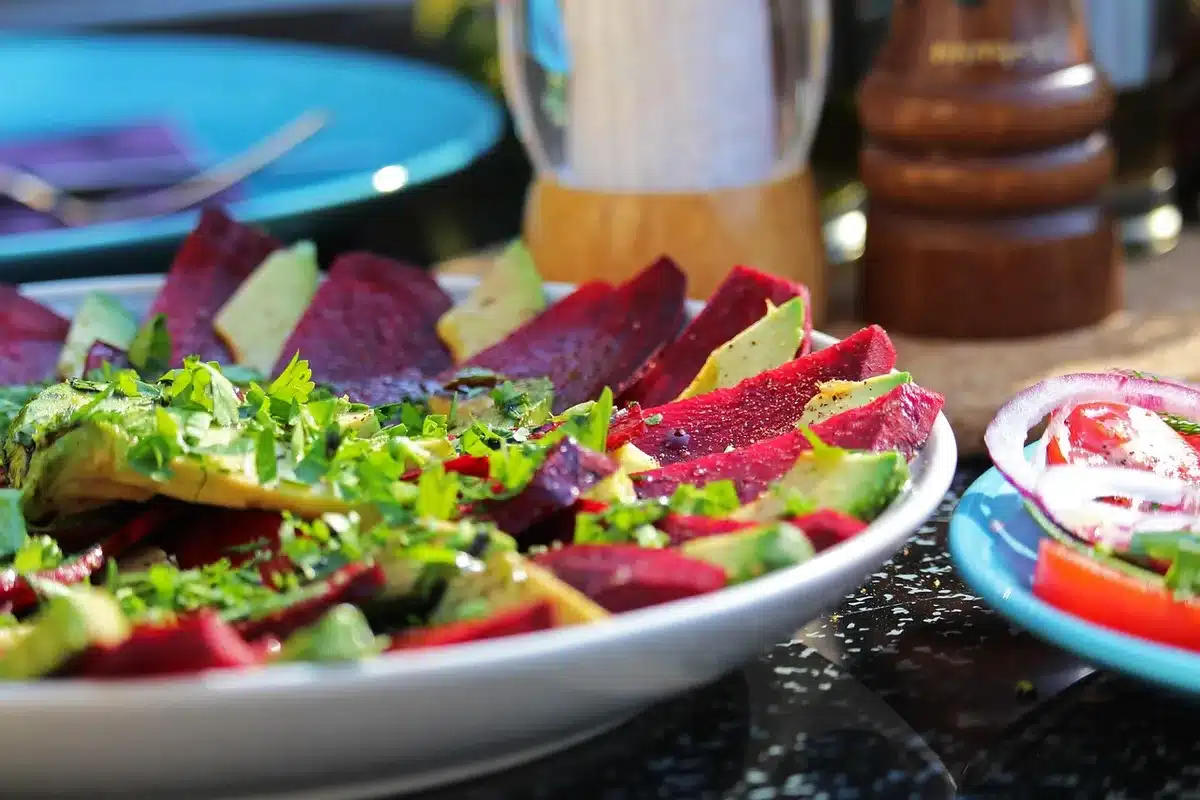
Simple serving ideas
- Roasted beet wedges with olive oil and thyme.
- Grated raw beet in salads for crunch and color.
- Cooked cubes tossed with apple and walnuts.
- Fresh beetroot juice, without added sugar, in small portions.
Whole beets provide more fiber than juice, which aids digestion and slows sugar absorption. Juice can deliver a higher nitrate dose, but it also concentrates sugars. Choose what fits your goals.
Safety notes and how to include beetroot responsibly
Adding beetroot to your diet is generally safe for most people. But there are practical cautions to keep in mind.
- If you take medication for high blood pressure, discuss regular high-dose juice use with your doctor. Blood pressure could drop too low.
- Beetroot can color urine and stool red or pink. This harmless effect may be startling.
- Avoid juices with added sugars. They undermine the cardiovascular benefits.
Dietary change helps, but it does not replace medication or medical follow-up. A balanced diet, salt control, and regular exercise remain essential for long-term cardiovascular protection.
Ideas for making beetroot part of a heart-healthy routine
Try integrating beetroot into meals two to three times per week. Pair it with leafy greens, whole grains, legumes, or lean proteins. Monitor your blood pressure to see small changes over time.
- Swap one processed side dish for a beet-based salad.
- Add roasted beetroot to grain bowls or sandwiches.
- Use small servings of fresh juice as an occasional boost, not a daily large dose.
These simple swaps can increase nitrate intake without disrupting your budget or meal planning. Over time, they may contribute to better vascular function.
Have you tried beetroot regularly?
Share your experience with beetroot in the comments. Many readers report new recipes and small lifestyle wins after adding this vegetable to their plates.