Show summary Hide summary
- Vivamayr: the upscale detox destination on the lake
- Origins and principles of the Mayr Method for gut health
- Everyday habits turned into rules
- A personal detox: tests, laxatives and low energy
- Meals, rituals and enforced silence at the table
- Treatments and diagnostic tools beyond dieting
- How the regimen affected my habits and body
- What to expect if you go
I landed at a secluded lakeside resort in Austria tired and craving a cappuccino. Instead, my arrival was met with a gentle but firm rule: no coffee. That moment set the tone for my stay at Vivamayr, a high-end wellness retreat built around a strict digestive detox. What followed was equal parts medical regimen and spa ritual, and it changed how I think about food.
Vivamayr: the upscale detox destination on the lake
$7k-a-week gut wellness resort bans coffee and enforces chewing rules: doctors prescribe laxatives
Aging brain could be protected by a popular daily snack: study
Perched on the water in Maria Wörth, Vivamayr markets itself as a medical-wellness retreat. Weeklong packages can reach the high end of luxury prices, and its guest list has included actors and public figures.

Unlike resorts that center on pampering, Vivamayr focuses on restoring digestive health through guided protocols. Guests arrive expecting clinical assessments, tailored meal plans, and a program intended to reset metabolism and gut function.
Origins and principles of the Mayr Method for gut health
The resort bases its care on the Mayr Method, a century-old approach created by Austrian physician F.X. Mayr. The core idea links intestinal function to whole-body wellness.
At Vivamayr, physicians aim to relieve the digestive system, correct eating patterns, and address nutritional gaps. The goal is not rapid weight loss, but to give the body a chance to regulate and regenerate.
Everyday habits turned into rules
The program emphasizes small, consistent behaviors that affect digestion. Staff train guests to change how they eat, breathe and pace meals.
- Chew thoroughly: Guests are instructed to chew carefully to aid digestion.
- No liquids with meals: Drinks are discouraged during eating to preserve digestive concentration.
- Skip or delay meals if you can’t eat relaxed.
- No between-meal snacking.
- Avoid raw foods late in the day, like salads and fruit after mid-afternoon.
- Stop eating when you feel satisfied, not stuffed.
- Breathe through the nose while chewing to slow the pace.
- Consider food origin, preparation and storage as part of digestion.
- Maintain consistent daily rhythms for meals and sleep.
- Put away devices and reading during meals to focus on eating.
These tenets are enforced as part of the daily routine and repeated in consultations and meal settings.
A personal detox: tests, laxatives and low energy
My program began with a detailed medical intake and lab review. The lead doctor suspected that a recent bout of foodborne illness could be affecting my gut.
He prescribed a magnesium-based cleanse to flush the intestines. The resulting detox brought headaches, fatigue, and mood shifts in the first 48 hours. It was harsher than the spa pampering I’d expected.
Other long-term guests warned me about a common pattern: an initial slump around day three. That “wall” is part of the process, many said, and they’d learned to ride it out.
Meals, rituals and enforced silence at the table
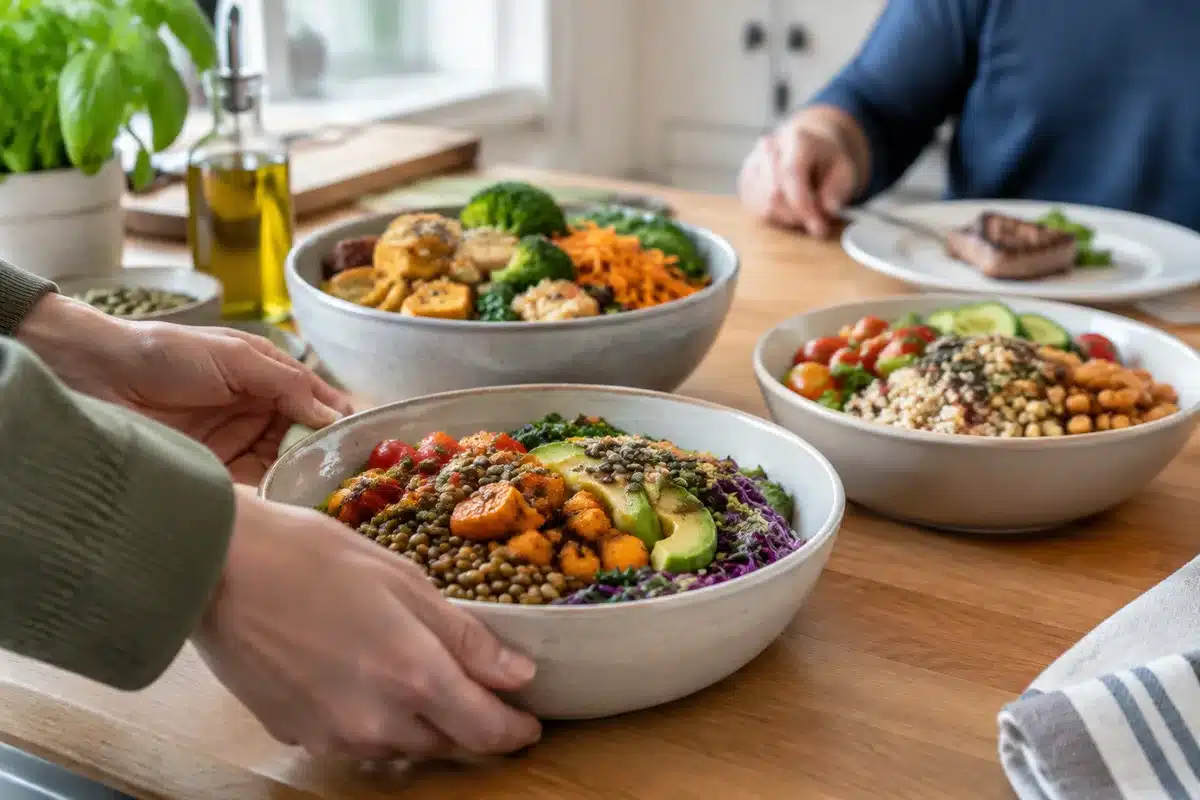
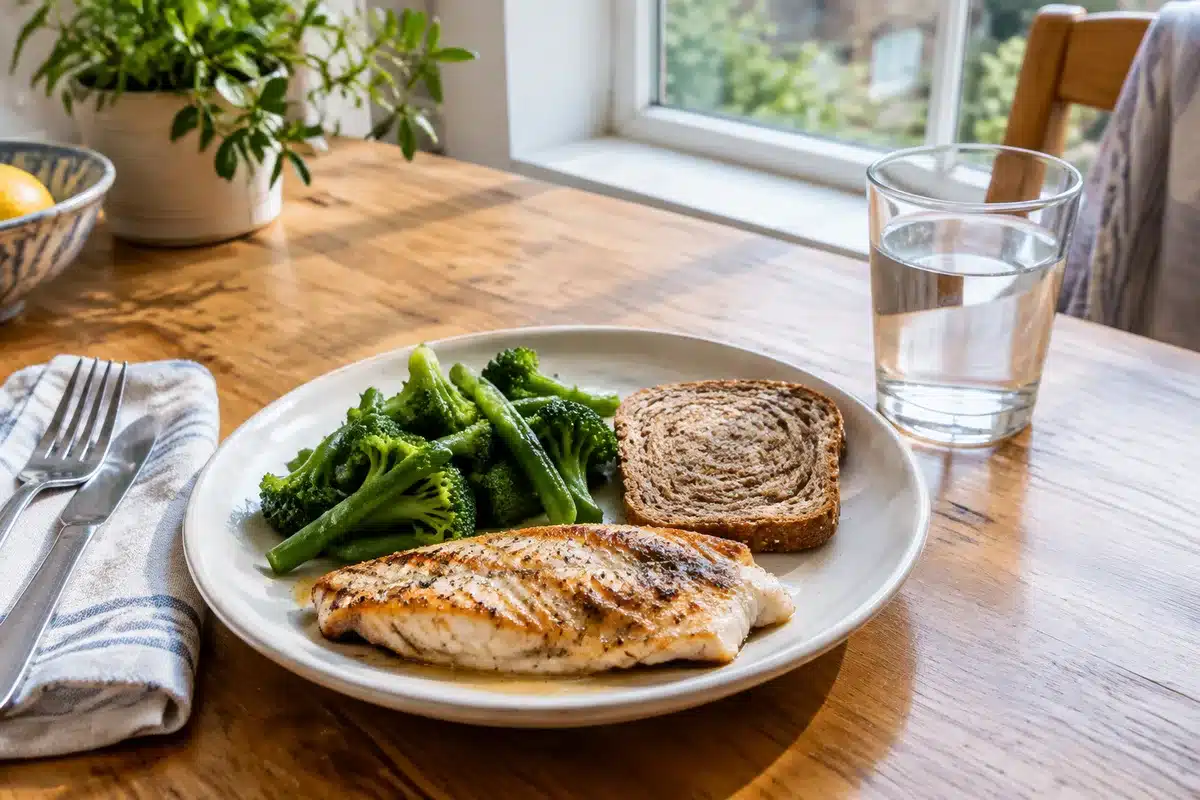
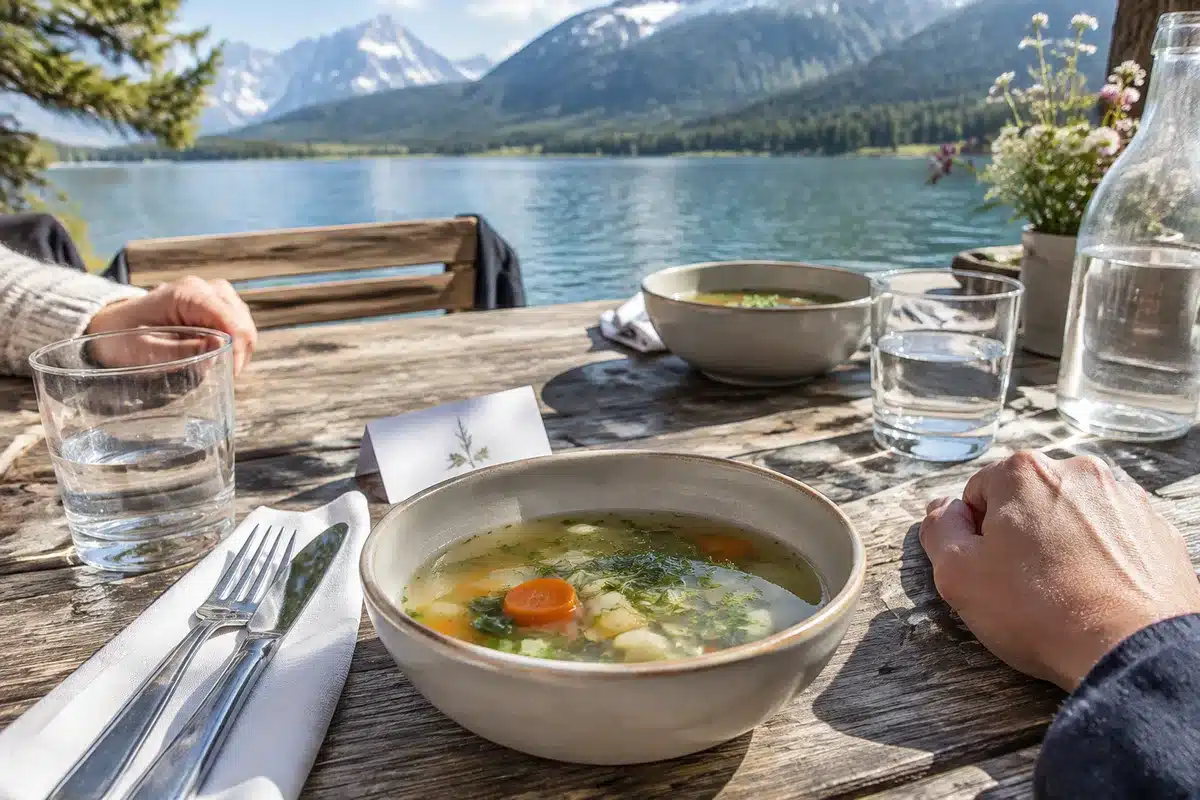
Dining at Vivamayr is structured. Guests have three meals daily, spaced at least four hours apart. Portions taper as the day progresses, often ending with a clear vegetable broth for dinner.

- Seating is assigned on an outdoor terrace with place cards tied to each meal plan.
- Personalized bottles of vitamins and supplements are set at each place.
- Phones and reading are not allowed during meals to encourage mindful eating.
The restrained portions and quiet company felt odd at first. Over time, the lack of distraction made me focus on the food and the act of chewing. Hunger pangs faded, and cravings diminished.
Treatments and diagnostic tools beyond dieting
Beyond the plate, the resort offers many therapies: oxygen sessions, cryotherapy, guided forest walks, abdominal massages, breathwork, and heart-rate variability testing.
Some techniques felt mainstream. Others leaned into alternative testing. In one session, a clinician used applied kinesiology—holding small samples as he tested muscle response—to identify sensitivities.
When certain vials made my muscles weaken, the clinician concluded I had a histamine sensitivity. The process felt unexpected, even strange, but it fed directly into my individualized plan.
How the regimen affected my habits and body
After four days I felt lighter and less bloated. I dropped a few pounds and noticed a real shift in appetite control.
The retreat’s rules nudged me to adopt new rituals at home: a larger breakfast, focused meals, and an aim to stop eating by early evening to allow digestion time before sleep.
Cravings subsided and I learned to distinguish true hunger from habitual snacking. That change has endured beyond the stay.
What to expect if you go
If you seek a medically driven gut reset in scenic surroundings, Vivamayr delivers a rigorous, science-forward experience. Expect strict meal rules, clinical testing and a variety of therapies.
Guests who rely heavily on caffeine should plan to reduce intake before arrival. The program’s no-coffee policy can make the first days particularly challenging.