

Show summary Hide summary
- Why banning all carbohydrates can backfire for health and energy
- When supplements harm more than help: interactions and side effects
- The downside of extreme training: why more is not always better
- Why skipping egg yolks can leave you short on key nutrients
- Why juice cleanses don’t replace the body’s detox systems
Many wellness trends promise quick gains. But some habits that look healthy on the surface can cause harm over time. Below are five common practices experts warn against — and safer ways to get the benefits you want.
Why banning all carbohydrates can backfire for health and energy
Eggs every day for months: simple check reveals shocking blood test result
Popular childhood food ingredient may raise adult anxiety: study
Cutting carbs to lose weight can work short term. But removing them entirely removes the nutrients found in fruits, vegetables and whole grains.
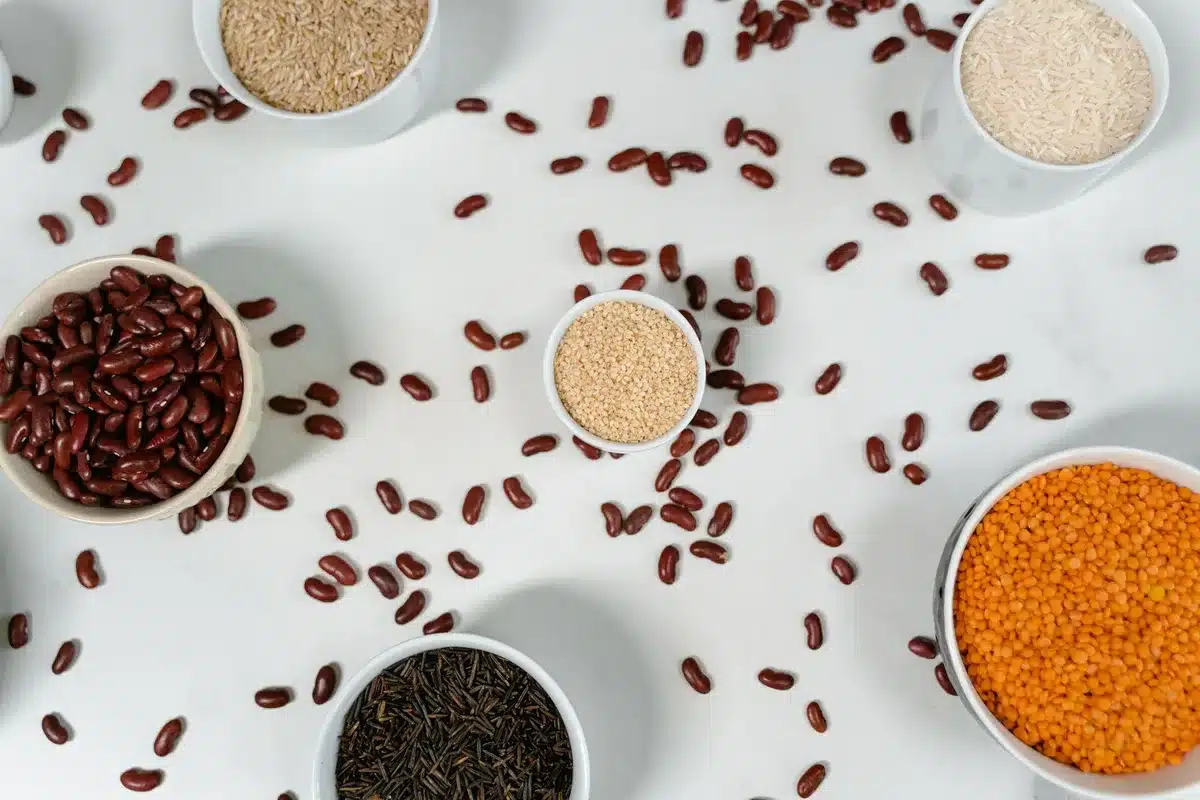
Carbohydrates are the body’s primary energy source.
Whole-food sources of carbs deliver fiber, vitamins and minerals that support digestion, heart health and brain function. Popular long-term eating patterns associated with strong health outcomes, like the Mediterranean approach, include moderate carbohydrate intake rather than eliminating it.
- Benefits lost when you avoid carbs: fiber, antioxidants and micronutrients.
- Risks: nutrient deficiencies, low energy, mood shifts and impaired cognitive function.
- Balanced option: choose whole grains, legumes, fruit and starchy vegetables over refined sugars.
When supplements harm more than help: interactions and side effects
Stacking pills and powders does not guarantee better health. Supplements can interact, compete for absorption, and even amplify each other’s effects.
Some minerals use the same absorption pathways. Calcium, magnesium, zinc and iron can reduce each other’s uptake if taken together.
- Dangerous combos: certain herbal extracts plus omega-3s can increase bleeding risk.
- Liver and kidney strain: up to 20% of drug-related liver injuries are linked to supplements.
- Bioaccumulation: kidneys may fail to clear some compounds, raising toxicity concerns.
Before adopting a long supplement list, get bloodwork and organ-function tests. A clinician can advise which nutrients you actually need and the safest doses.
The downside of extreme training: why more is not always better
Regular physical activity improves health. But chronic, excessive training can raise oxidative stress and inflammation.
Too much endurance exercise may carry risks. Recent research has flagged links between extreme endurance events and higher rates of some health problems.
- 2025 study note: ultrarunners showed a higher risk for colorectal cancer in that analysis.
- Signs you’re overdoing it: persistent fatigue, declining performance, longer recovery needs.
- Other red flags: mood changes, frequent illness and increased injury rates.
Mix intensity with recovery days, prioritize sleep, and tailor training to long-term health rather than short-term results.

Why skipping egg yolks can leave you short on key nutrients
Egg whites are high in protein. But the yolk contains most of an egg’s essential nutrients.

Yolks supply choline and fat‑soluble vitamins A, D, E and K. Avoiding them risks deficiencies that affect liver health, memory and cellular function.
- Choline supports cell membranes and brain processes like memory and mood.
- Low choline can lead to liver problems, muscle damage and cognitive issues.
- Eating only whites may also impair biotin absorption, important for skin and hair.
For most people, consuming whole eggs in moderation is a nutrient-rich choice.
Why juice cleanses don’t replace the body’s detox systems
Short-term juice fasts are popular. But they’re not necessary to “detox” the body.
Your body already filters and eliminates waste. The liver, kidneys, gut and even the brain’s glymphatic system work continuously to clear toxins.
- About 20% of adults concerned with weight have tried a juice detox.
- Water and adequate fiber keep urine and stools moving, supporting natural elimination.
- Sleep engages the glymphatic system, which helps clear harmful protein buildup from the brain.
Healthier alternatives include steady, fiber-rich eating, hydration, regular activity and consistent sleep to support natural detox pathways.










