

Show summary Hide summary
- Foods that support healthy circulation and the heart
- How these ingredients may influence clotting and circulation
- Herbs and supplements that require extra caution
- Foods often labeled as “natural blood thinners” — the evidence
- Practical meal swaps to support vascular health
- Vitamin K, green vegetables, and medication interactions
- When to speak with a health professional
- Key takeaways for everyday choices
Your blood works nonstop, carrying oxygen to every organ. But when a clot blocks a vessel, the outcome can be serious. Can diet really “thin” the blood and lower clot risk? The truth blends solid science, caution, and common myths.
Foods that support healthy circulation and the heart
Eggs every day for months: simple check reveals shocking blood test result
Popular childhood food ingredient may raise adult anxiety: study
No single food acts like a prescription anticoagulant. Still, a pattern of eating can help protect blood vessels and reduce cardiovascular risk.
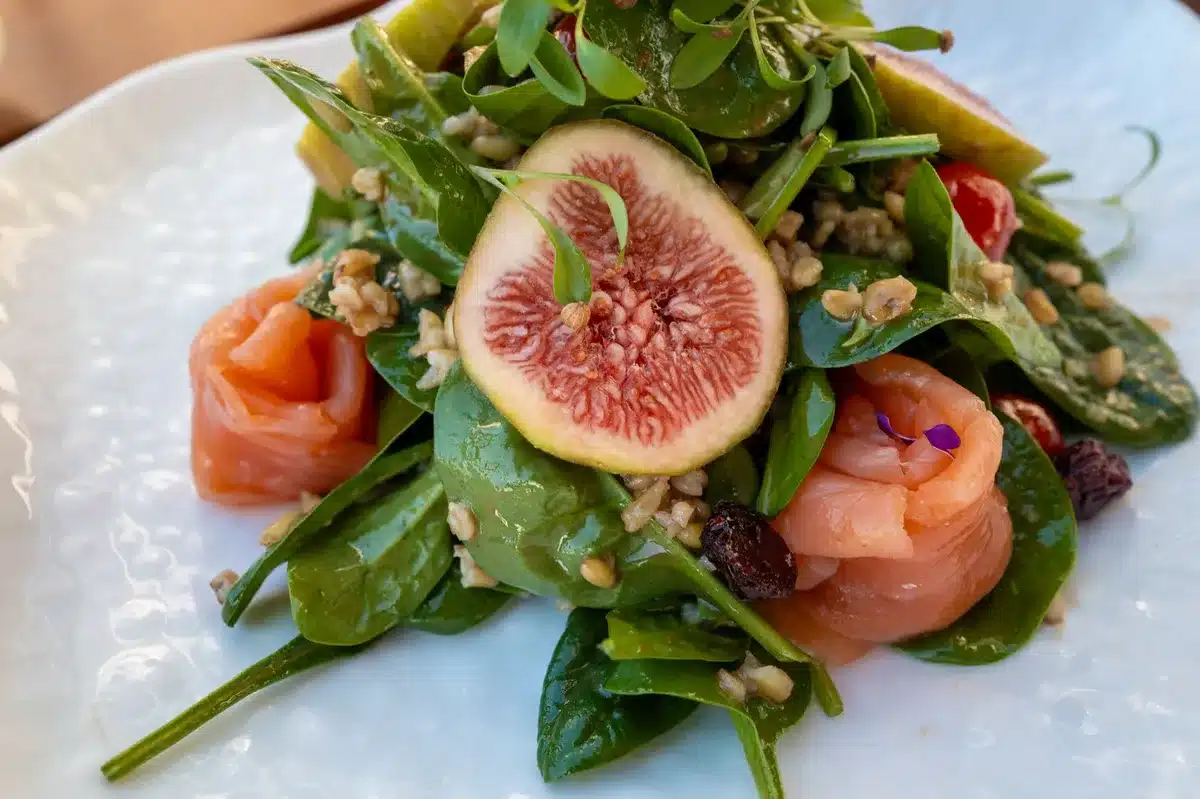
- Fatty fish: salmon, mackerel, sardines and herring are rich in omega-3 fatty acids linked to heart health.
- Nuts and seeds: walnuts, almonds and flaxseed add unsaturated fats and fiber to the diet.
- Olive oil: replacing saturated fats with extra-virgin olive oil supports vascular health.
- Berries: blueberries, strawberries and raspberries provide antioxidants and variety in fruit intake.
- Legumes: lentils, chickpeas and beans are filling, high in fiber, and good plant protein sources.
- Leafy greens and crucifers: spinach, kale and broccoli are nutrient-dense, though they contain vitamin K.
How these ingredients may influence clotting and circulation
Researchers study different pathways: effects on platelet aggregation, inflammation, and blood lipids.
- Omega-3s can alter platelet function and reduce inflammation.
- Unsaturated fats and plant foods improve lipid profiles and endothelial health.
- Antioxidants from fruits and vegetables may protect vessels from damage.
Important: dietary changes are complementary. They do not dissolve clots or replace anticoagulant drugs.
Herbs and supplements that require extra caution
Ginger
Ginger is popular in cooking and tea. Some lab studies show it may affect platelet clumping.
Human trials give mixed results. If you take blood-thinning medication, avoid high-dose supplements without medical advice.
Ginkgo biloba
Ginkgo extracts are sold as supplements. Reports link them to increased bleeding risk in people on anticoagulants.
Ask a clinician before using ginkgo, especially if you take warfarin, DOACs, or antiplatelet drugs.
Foods often labeled as “natural blood thinners” — the evidence
Several items are popularly promoted as blood-thinning. The evidence is limited or inconsistent.
- Cayenne pepper: claims that it works like aspirin are exaggerated. Human data do not show a clear antiplatelet effect.
- Cinnamon: contains coumarin in Cassia varieties. Large, regular intake can harm the liver in sensitive people, not reliably thin blood.
- Pineapple (bromelain): in vitro studies suggest platelet effects, but eating pineapple does not equal a proven anticoagulant effect in humans.
Practical meal swaps to support vascular health
- Replace butter with olive oil for cooking and dressings.
- Choose fatty fish twice a week instead of red or processed meat.
- Snack on a small handful of unsalted nuts instead of chips or cookies.
- Include a variety of colorful fruits and vegetables daily.
- Make legumes a regular protein source to lower saturated fat intake.

Vitamin K, green vegetables, and medication interactions
Leafy greens contain vitamin K, which can affect warfarin dosing.
That does not mean you must avoid greens. Instead, aim for consistent intake and communicate dietary habits to your prescriber.
When to speak with a health professional
- If you are on anticoagulants or antiplatelet drugs, do not start supplements or large doses of herbs without medical approval.
- Tell your clinician about regular use of ginger, ginkgo, high-dose fish oil, or other supplements.
- If you plan major dietary changes, ask about monitoring needs and possible dose adjustments.
Key takeaways for everyday choices
Think pattern, not miracle foods. A balanced diet rich in fish, plant-based proteins, nuts, fruits, vegetables and healthy oils supports heart and vessel health.
Crucial warning: no food replaces prescribed anticoagulant therapy. Always consult your doctor before combining supplements with blood-thinning medications.










