Show summary Hide summary
- Why freezing bread is a smart choice — and how it can be healthier
- How long can frozen bread stay tasty? Practical storage times
- How to prepare bread for freezing: simple steps for best results
- Thawing and reviving frozen bread: oven, toaster, and quick tricks
- Common freezing mistakes and how to avoid them
- Portioning and daily habits that save time and reduce waste
When life is busy, keeping a fresh loaf in the freezer feels like a small victory. Yet freezing bread well — and bringing it back to life — requires a few simple rules. Get them right and you’ll save money, cut waste, and enjoy crisp toast any morning.
Why freezing bread is a smart choice — and how it can be healthier
Healthiest bread: 3 simple tips to pick the best loaves
Blood supply crisis: Red Cross warns donations at 4-year low
Storing bread in the freezer is more than convenience. It helps avoid food waste and keeps nutrients intact. Recent nutrition research also reveals a surprising benefit: freezing and then heating bread can change its starch structure.
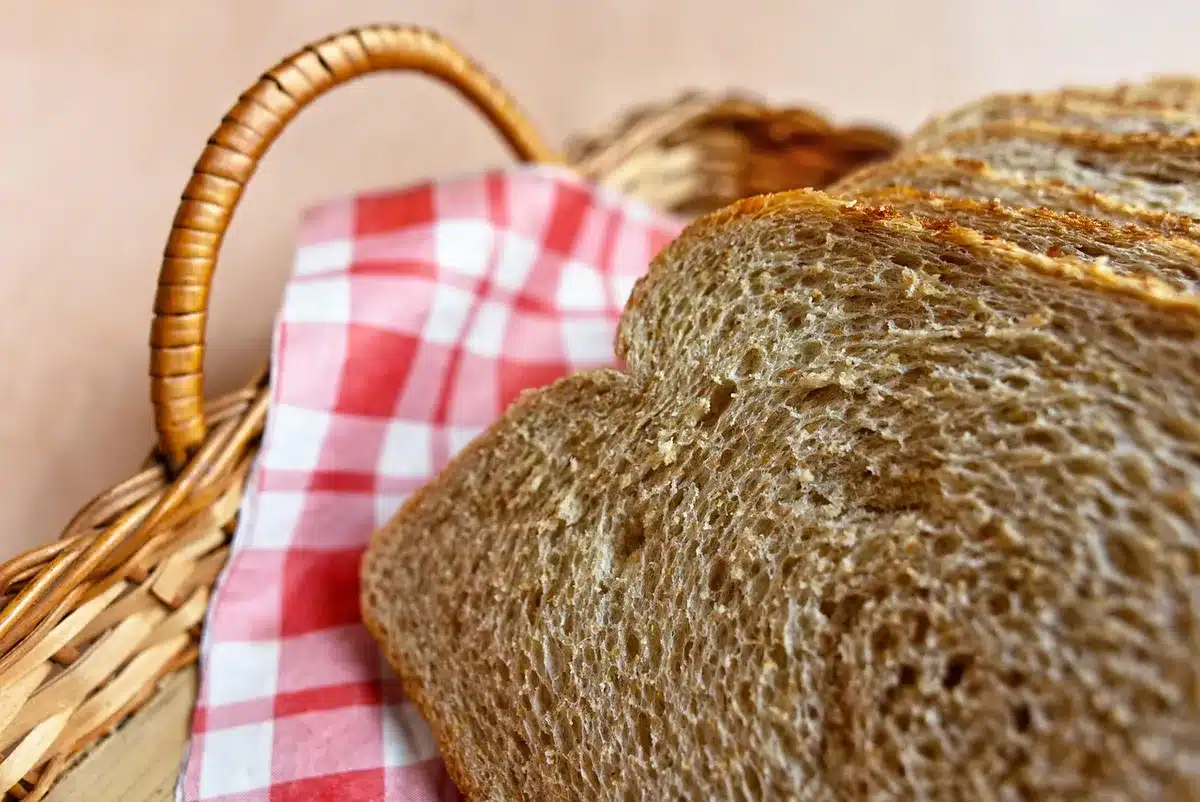
During freezing, some of the starch converts into resistant starch. This form is digested more slowly by the body. The result is a gentler rise in blood sugar after a meal. In short, frozen-then-toasted bread can have a lower glycemic impact than freshly baked bread.
How long can frozen bread stay tasty? Practical storage times
Freezing preserves bread safely, but flavor and texture decline over time. For best taste, follow these guidelines:
- Baguettes and thin crust loaves: keep under one month for optimal texture.
- Denser loaves — sourdough, country bread, whole-grain: can last a few weeks longer without major changes.
- Commercially baked, preservative-rich loaves: often tolerate longer storage, but offer less nutritional value.
Extended freezer time leads to moisture migration and tiny ice crystals. This produces a dry or whitish surface and weakens the crumb. The loaf remains safe to eat, but the eating experience suffers.
How to prepare bread for freezing: simple steps for best results
Success starts before the freezer door closes. These preparation steps protect texture and flavor.
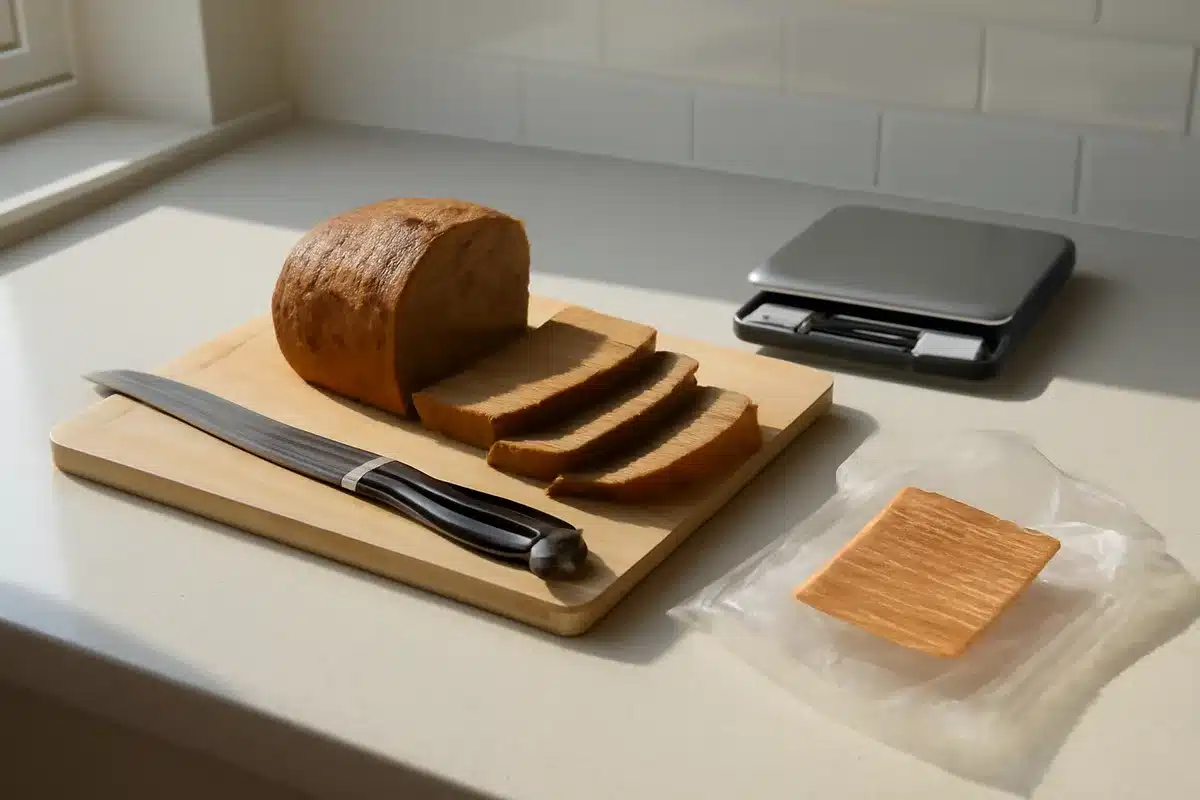
- Slice before freezing. Portioned slices mean you remove only what you need.
- Wrap tightly. Use high-quality, airtight freezer bags or vacuum-seal for longer life.
- Expel air. Press out excess air before sealing to limit freezer burn.
- Label with date. Rotate stock so older loaves are used first.
- Avoid direct contact with strong-smelling foods. Proper packaging prevents odor transfer.
These habits preserve moisture and prevent the loaf from becoming stale or leathery after thawing.
Thawing and reviving frozen bread: oven, toaster, and quick tricks
How you thaw bread determines the final texture. The golden rule: avoid slow, room-temperature thawing.
Toaster for slices
For single slices, go straight from freezer to toaster. The quick, intense heat vaporizes trapped ice and crisps the surface. This method restores a pleasant bite in seconds.
Oven for whole loaves and large pieces
For larger portions, preheat the oven to 180–200°C (350–400°F). Wrap the loaf lightly in foil and heat for 10–20 minutes depending on size. The oven evaporates residual moisture and reestablishes a crisp crust.
Quick fixes for soggy or rubbery bread
- If the crust is soggy, sprinkle the surface with a few drops of water, then bake uncovered for a few minutes.
- For a very small piece, use a hot skillet or broiler briefly to re-crisp the outside.
Slow thawing at room temperature often yields a chewy, damp crumb. High, immediate heat is the key to reviving frozen bread well.
Common freezing mistakes and how to avoid them
A few frequent errors ruin what would otherwise be a perfect slice.
- Throwing bread into the freezer unwrapped. Result: freezer burn and off-flavors.
- Thawing slowly on the counter. Result: damp crust and gummy crumb.
- Refreezing repeatedly. Result: accelerated quality loss.
- Keeping bread too long. Result: flavor fades and texture degrades.
To fix a less-than-ideal loaf: reheat with steam or a short blast in the oven to revive crispness and aroma.
Portioning and daily habits that save time and reduce waste
Small shifts in habit make frozen bread work for daily life.
- Freeze single servings for breakfast efficiency.
- Keep an inventory on the freezer door with dates.
- Use slices for sandwiches and toast straight from the freezer.
- Use older loaves first and plan meals around what you have frozen.
By slicing and packaging before freezing, you avoid wasting part of a loaf and ensure each serving is easy to reheat.