Show summary Hide summary
- Chia seed nutrition at a glance: what’s inside each teaspoon
- How chia act in the digestive system and why they increase satiety
- Evidence on heart health: cholesterol and lipids
- Chia and brain health: what we know so far
- Can chia help with weight control?
- Safe portions and how to introduce chia gradually
- Easy and tasty ways to add chia to meals
- Allergy, medication and special-population cautions
- Practical buying and storage tips for best results
Tiny seeds with a big reputation, chia have surged from niche health food to pantry staple. Their texture, neutral taste, and nutrient profile make them easy to add to meals. But what do these specks actually do for your body, and how should you use them responsibly?
Chia seed nutrition at a glance: what’s inside each teaspoon
Healthiest bread: 3 simple tips to pick the best loaves
Blood supply crisis: Red Cross warns donations at 4-year low
Chia seeds pack several nutrients in a very small volume. They are prized for fiber, plant protein and a special type of omega-3 found in plants.
- Fiber: soluble and insoluble fibers that help slow digestion.
- Plant protein: roughly one fifth of their weight is protein.
- Alpha-linolenic acid (ALA): an essential omega-3 fatty acid of plant origin.
- Minerals: calcium, phosphorus, potassium and zinc.
- Antioxidant molecules that protect seed fats from oxidation.
This combination explains why chia are often used to boost meals without changing flavor.
How chia act in the digestive system and why they increase satiety
When chia meet liquid they swell and form a gel-like coating. This physical change slows gastric emptying.

- Gel formation prolongs digestion of carbohydrates.
- Slower digestion often reduces hunger between meals.
- High fiber content supports regular bowel movements.
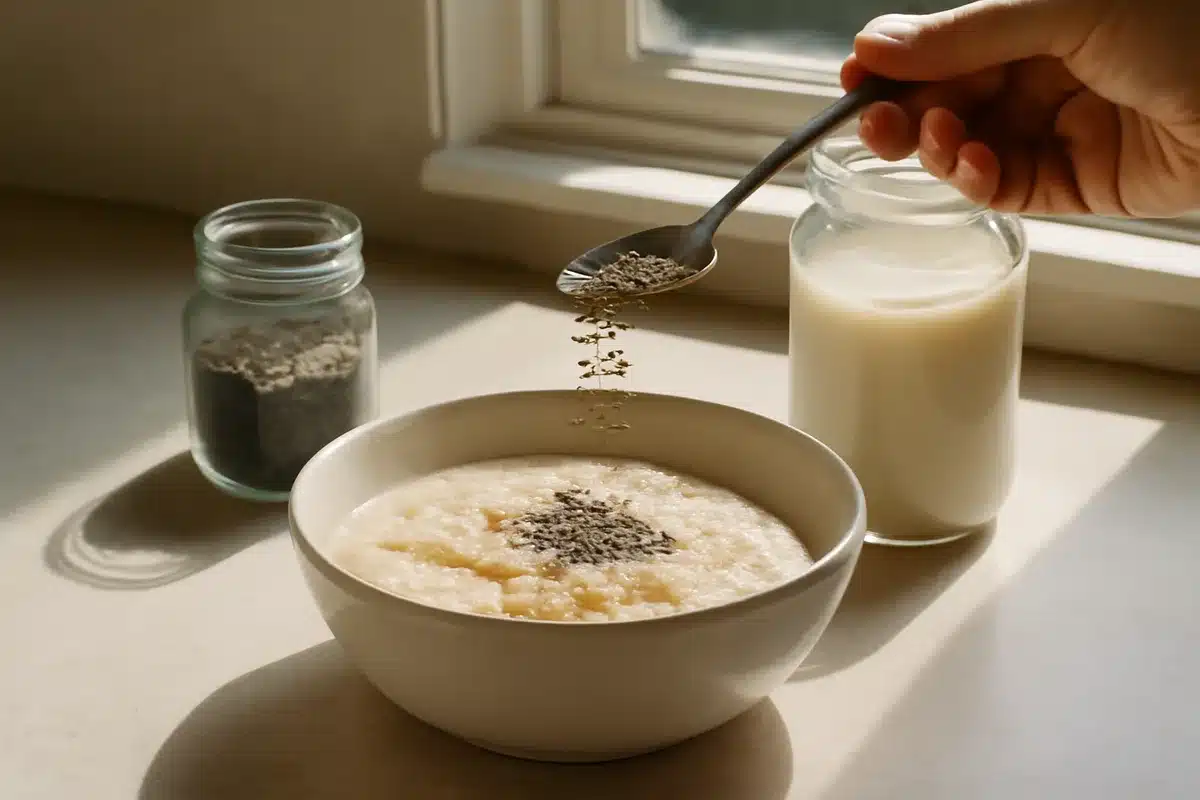
Practical effect: adding a spoonful or two to yogurt or porridge can make you feel fuller longer.
Evidence on heart health: cholesterol and lipids
Researchers have looked at chia for effects on triglycerides and cholesterol.
Some clinical trials report modest drops in triglyceride levels and small decreases in LDL cholesterol after regular chia consumption. The fiber and ALA fat likely play roles.
Important caveat: these changes are typically modest. Chia can complement a heart-healthy diet but do not replace medical treatments when cholesterol is high.
Chia and brain health: what we know so far
Chia supply ALA, an omega-3 that the body can convert, to a limited extent, into brain-important fatty acids.
Populations with higher omega-3 intake often show lower rates of cognitive decline. Still, the research linking chia specifically to prevention of diseases like Alzheimer’s is incomplete.
Bottom line: chia may support cognitive health as part of a diet rich in healthy fats, but they are not a proven preventive therapy.
Can chia help with weight control?
Their swelling property and fiber content can reduce appetite for some people. Studies have found short-term reductions in calorie intake after consuming chia with a meal.
- Amounts used in studies typically range from 7 to 15 grams added to foods.
- Chia assist appetite management but do not cause weight loss alone.
Long-term weight control depends on overall diet and activity, not a single ingredient.
Safe portions and how to introduce chia gradually
Because chia are high in fiber, increase intake slowly to avoid digestive discomfort.
- Common recommended daily amounts: about 10–15 grams, or 1–2 tablespoons.
- EU labeling often suggests not exceeding 15 grams per day for prepackaged chia.
- Start with a small spoonful and raise the amount over days or weeks.
Tip: always mix chia with sufficient liquid. Dried seeds expand in the stomach and can cause bloating if eaten dry in large quantities.
Easy and tasty ways to add chia to meals
Chia adapt to sweet and savory recipes. They offer texture and nutrition without strong flavor.
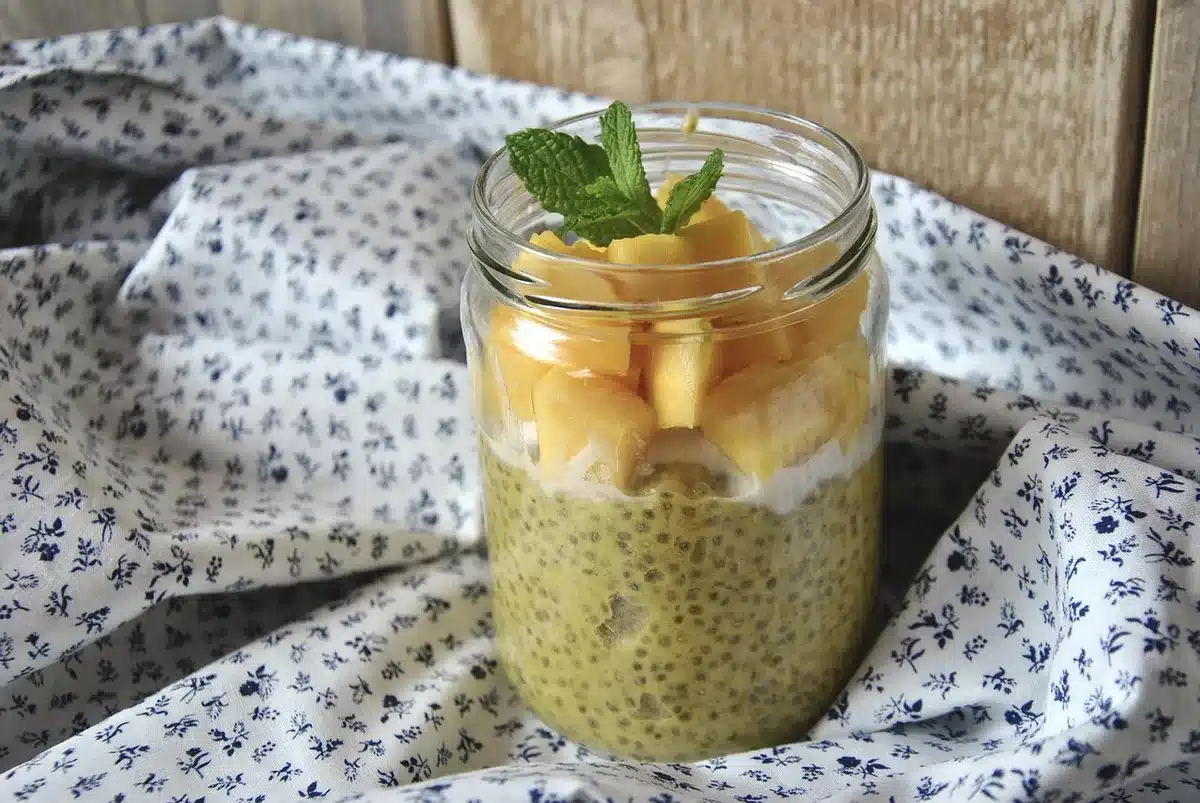
- Add to yogurt, cottage cheese or porridge for extra bulk.
- Blend into smoothies for a thicker mouthfeel.
- Make chia pudding: mix seeds with milk or plant milk and refrigerate for several hours.
- Sprinkle over salads or mix into batter for baking.
For the pudding method, let chia absorb liquid in the fridge for at least two hours or overnight for best texture.
Allergy, medication and special-population cautions
Allergic reactions to seeds can occur, though they are uncommon with chia. People with known seed allergies should avoid chia or consult an allergist.
If you take blood thinners or have a medical condition, speak with your clinician before adding large amounts of ALA-rich foods. Chia’s fiber can also affect absorption of some drugs if eaten at the same moment.
Pregnant and breastfeeding individuals should check recommended intakes with a healthcare provider if unsure.
Practical buying and storage tips for best results
- Store chia in a cool, dark place or in the refrigerator to preserve oils.
- Both black and white chia seeds have similar nutrition.
- Look for clean packaging and expiry dates; rancid oil can cause off flavors.
Using whole seeds or pre-ground chia is a matter of preference. Whole seeds retain their gel-forming property; ground chia mix into recipes more evenly.