Show summary Hide summary
Activated charcoal has gone from hospital antidote to trendy ingredient on menus and store shelves. What started as a life-saving treatment for some poisonings is now marketed as a cure-all — and that popularity comes with an unexpected risk: the charcoal in pills and powders can reduce the effectiveness of some oral contraceptives.
Why everyone is adding black powder to food and supplements
biohacker kids: growing up with dads chasing immortality
Natural hangover remedy could cause accidental pregnancy
Social media and specialty cafés pushed activated charcoal into mainstream culture. It stains lattes and ice cream jet-black, and manufacturers sell it in capsules for “detox” and hangover relief. The appeal is aesthetic and anecdotal.

- Trendy uses: ice cream, coffee, waffles, juices and novelty breads.
- Supplement forms: tablets, capsules, loose powders and compressed “hangover pills.”
- Perceived benefits: detoxing, better digestion, whiter teeth and lower cholesterol — mostly unproven.
How activated charcoal actually works
Activated charcoal is made by burning plant materials, then heating them to produce an extremely porous structure. Those tiny pores help charcoal adsorb certain substances in the gut.
In clinical settings, charcoal can trap some toxins and drugs before they are absorbed. That property is why it’s used in emergency rooms for specific poisonings.
When it helps — and when it doesn’t
- Effective: selected oral overdoses and some poisonings when administered promptly.
- Not effective: alcohol, lye, iron, lithium and petroleum products.
- Not proven: routine detoxing, hangover prevention, long-term weight loss or acne treatment.
Real health hazards beyond false promises
Taking charcoal casually isn’t harmless. The texture is gritty and chalky, and improper use can cause problems.
- Respiratory risk: inhaling powder can damage the lungs.
- Gastrointestinal effects: nausea, vomiting, constipation or diarrhea are possible.
- Obstruction risk: large doses can impair gut motility or block the digestive tract.
How it interferes with oral contraceptives
Charcoal’s ability to bind substances in the gut is the same reason it can reduce drug absorption. That includes the hormones in many birth control pills.
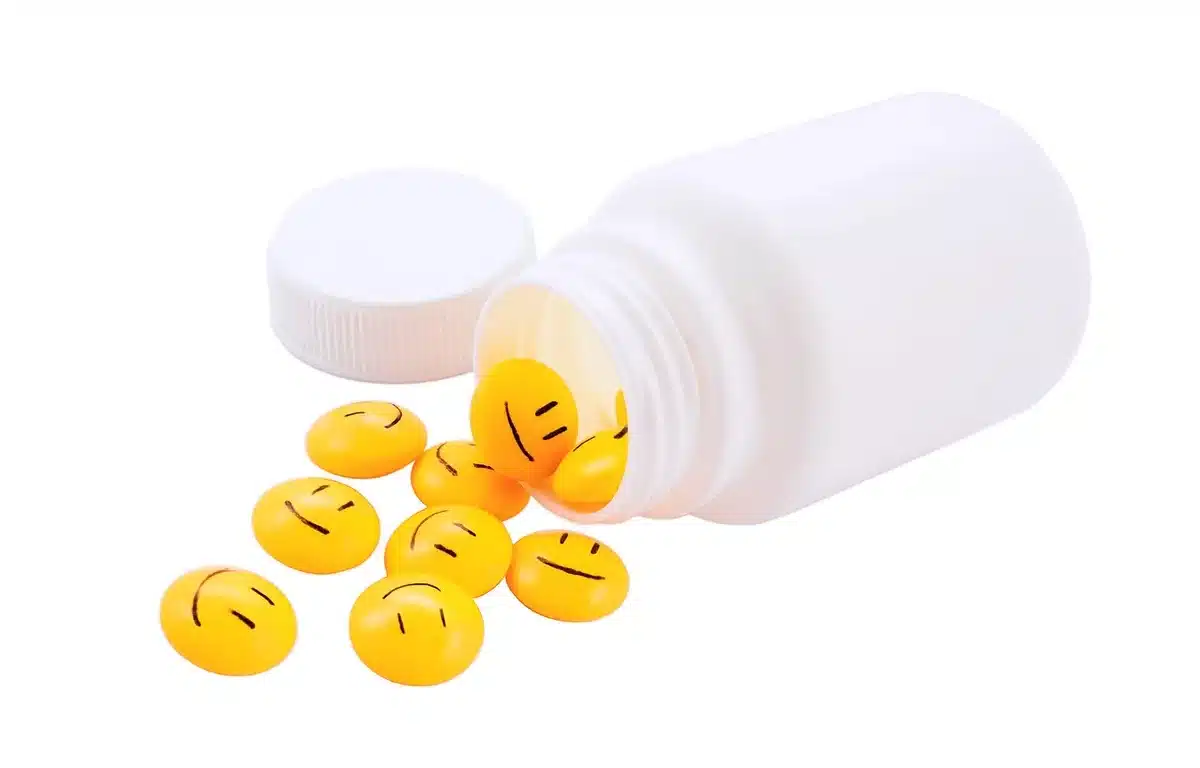
Reports and clinic cases have flagged women who experienced unintended pregnancies after using charcoal supplements. The mechanism is simple: if significant hormone from the pill never reaches the bloodstream, contraceptive protection can weaken.
Timing matters
Research suggests the interaction can be avoided by spacing doses. Taking charcoal several hours after an oral contraceptive reduces the chance that it will adsorb the pill’s hormones.
- Example guidance from studies: wait at least three hours after taking a pill before using charcoal.
- Also allow a sufficient gap — about 12 hours — before the next contraceptive dose.
Which birth control methods are safe from charcoal
Not all contraceptives travel through the digestive tract. Those that don’t are far less likely to be affected.
- Unaffected methods: intrauterine devices (IUDs), implants, injections, transdermal patches, and vaginal rings.
- Oral contraceptives: more vulnerable because they must be absorbed in the gut.
Why regulation and labeling aren’t protecting users
Activated charcoal is sold as a dietary supplement. That means it can reach shelves without premarket approval from federal agencies.
Medical providers know proper dosing and timing. Casual buyers may not, and many product labels lack clear warnings about drug interactions.
Takeaway: if you use oral contraceptives, treat charcoal supplements with caution and talk to a clinician or pharmacist about safe timing before trying them.