Show summary Hide summary
- How remote longevity hotspots share a surprising diet habit
- What makes legumes a longevity-friendly food
- How legumes support a healthier gut and immune system
- Large-scale research connecting beans and longer lives
- Simple, realistic ways to eat legumes more often
- Practical tips to keep legumes tasty and easy
- Have you tried making legumes a daily habit?
Across distant islands and mountain villages, a simple food keeps reappearing on plates where people live longest. No miracle pills, no extreme diets—just a humble pantry staple that scientists now link to healthier, longer lives. Read on to learn what this food is, why it works, and how to add it to your routine without fuss.
How remote longevity hotspots share a surprising diet habit
Longevity: a simple food common to the world’s longest-lived people, science finds
Lemon and coarse salt: grandma’s surprisingly effective remedy everyone is trying
Researchers who study longevity have mapped several regions called “Blue Zones.” These areas span Okinawa, Ikaria, Sardinia, Nicoya, and Loma Linda. They differ culturally, but one dietary thread ties them together.

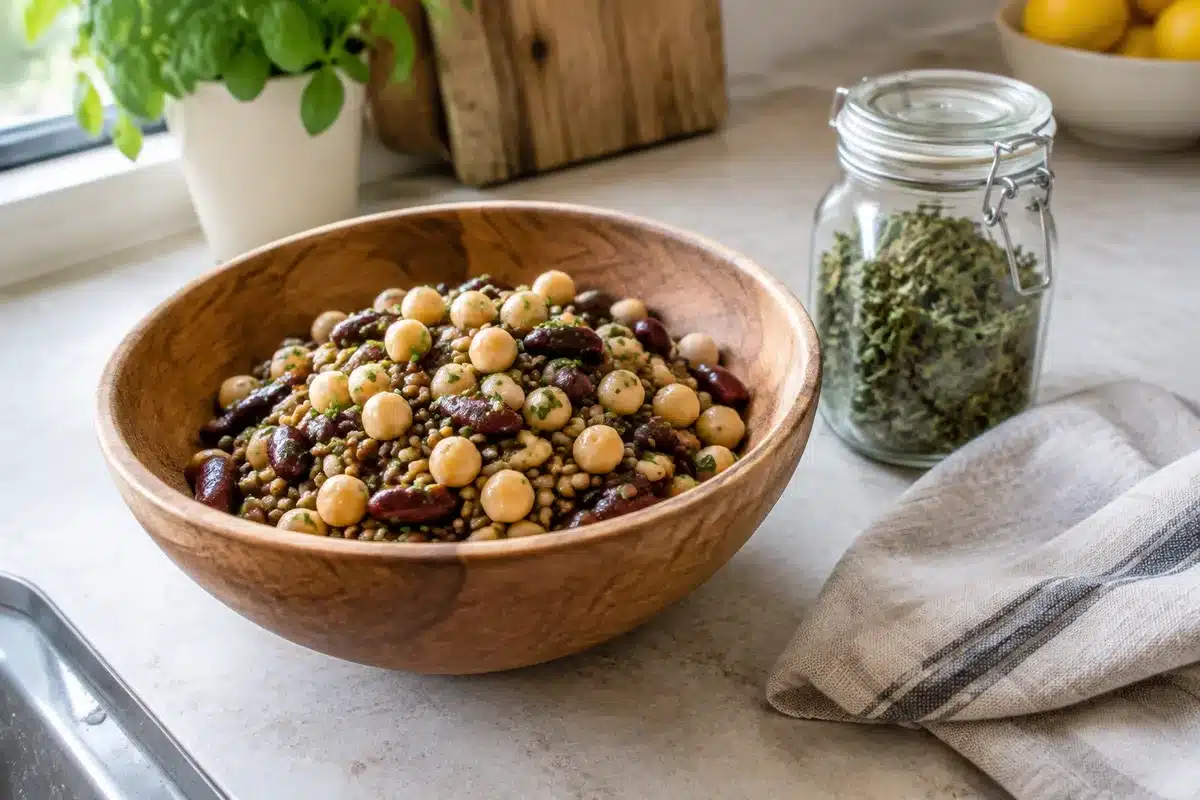
People in these communities eat legumes regularly. Whether it’s beans, lentils, peas or soy, these foods appear on daily menus. Nutrition experts consider this pattern a defining trait of diets linked to extended lifespan.
What makes legumes a longevity-friendly food
At first glance, legumes look unassuming. Yet their nutrient profile explains their outsized health effects.
- Plant protein: Legumes deliver quality protein without the saturated fats of many animal sources.
- Slow-release carbs: Their carbohydrates release energy gradually, helping blood sugar balance.
- Essential minerals: Iron, magnesium, potassium and more support metabolic and cellular functions.
- High fiber content: Soluble and insoluble fibers feed the gut and regulate digestion.
- Resistant starch: This special carbohydrate reaches the colon and nourishes beneficial microbes.
These attributes combine to support digestion, lower chronic inflammation, and improve metabolic markers linked to aging.
How legumes support a healthier gut and immune system
Modern science increasingly links gut microbes to overall health. Legumes play a key role here.
- Fibers and resistant starch act as prebiotics.
- They stimulate growth of beneficial bacteria.
- Healthy microbiota produce compounds that reduce inflammation.
- This cascade strengthens immunity and may slow age-related decline.
A thriving gut microbiome translates into better digestion, improved metabolic balance, and a lower risk of chronic disease.
Large-scale research connecting beans and longer lives
Observational and epidemiological studies back up what Blue Zone observations suggested. Analyses following millions of people over decades show consistent patterns.
- Adding a modest daily serving of legumes is linked to measurable mortality reductions.
- One pooled analysis found each additional 50 grams consumed per day correlated with a lower risk of death.
- Region-specific work, for example in Central America, recorded even larger reductions among older adults who ate beans often.
While observational work cannot prove cause and effect, these findings are robust across many populations and study designs.
Simple, realistic ways to eat legumes more often
Embracing this habit does not require dramatic life changes. Small swaps and easy recipes work well.
- Start with canned beans for convenience. Rinse them to remove excess salt.
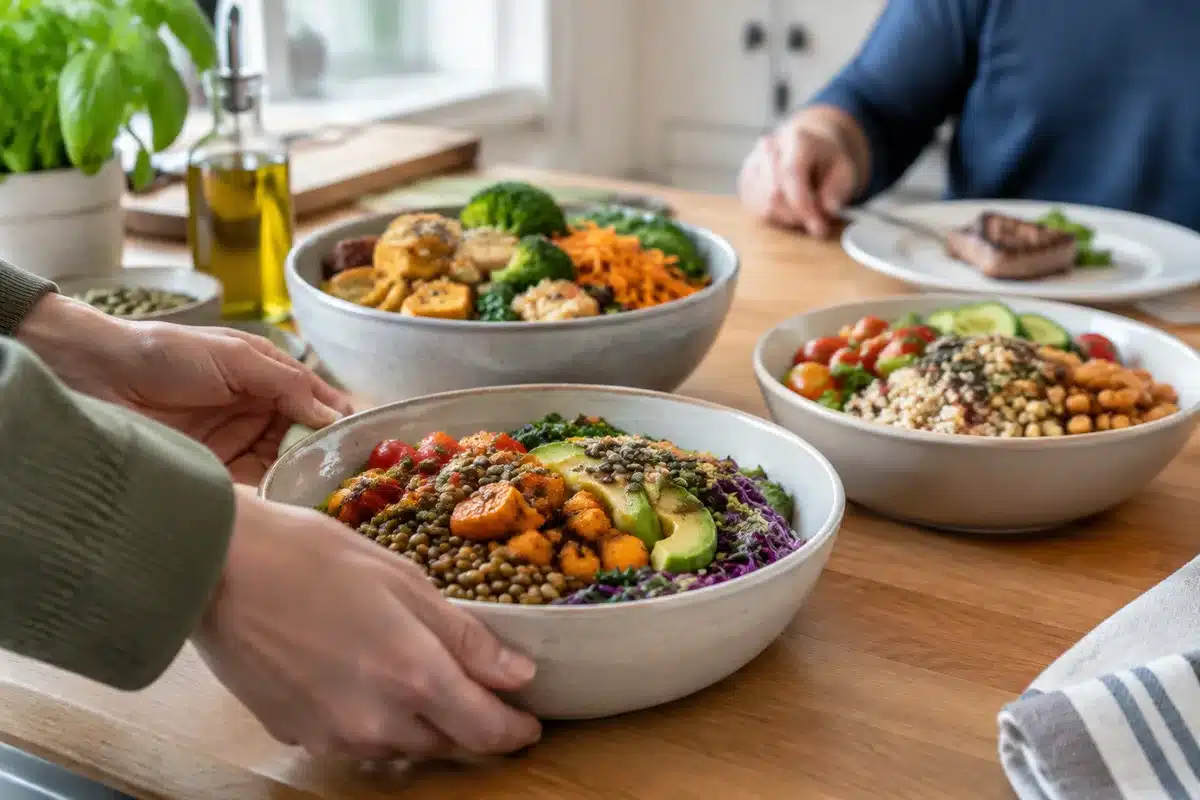
- Mix cooked lentils into salads or grain bowls for added texture and protein.
- Bulk up soups and stews with a cup of beans to make meals more filling.
- Use mashed chickpeas as a sandwich spread or in quick patties.
- Soak dried legumes overnight to cut cooking time and improve digestibility.
Gradual increases help your digestive system adapt to the extra fiber. Over time, these small changes improve nutrient intake and reduce food costs.
Practical tips to keep legumes tasty and easy
- Season with herbs, spices, and citrus to avoid monotony.
- Combine with whole grains for complete protein.
- Prep batches once a week to save time on busy days.
- Experiment with different varieties—black beans, navy beans, split peas, and more.
Regular consumption is what matters most. A few spoonfuls several times a week adds up.
Have you tried making legumes a daily habit?
Your experience matters. Share how you cook beans and lentils, or which recipes helped you add them to your menu. We’d love to hear what works in your kitchen.