Show summary Hide summary
- Why dark chocolate acts like an antioxidant boost for aging skin and cells
- How dark chocolate supports blood vessels and heart health
- Brain benefits: focus, mood and the gut-brain connection
- Dark chocolate and blood-sugar control: what the science says
- Muscles, joints and essential nutrients found in cocoa
- How to choose the best dark chocolate and control portions
If you love chocolate, you may not have to give it up to stay healthy. Recent research suggests that small amounts of dark chocolate can support the heart, brain, metabolism and joints. Read on to learn which types help and how to enjoy them safely.
Why dark chocolate acts like an antioxidant boost for aging skin and cells
Chocolate every day: surprising benefits for your heart, mind and joints
biohacker kids: growing up with dads chasing immortality
Dark chocolate is rich in cocoa compounds that fight oxidative stress. These molecules help protect cells and reduce chronic inflammation linked to aging.
- Cocoa contains flavanols that act as antioxidants.
- Alkaloids such as theobromine may influence cellular markers tied to biological age.
- Some studies associate higher cocoa-derived compounds with longer telomeres and younger DNA patterns.
Regular, modest intake of flavanol-rich chocolate may slow low-grade inflammation, a process researchers sometimes call “inflammaging.”
How dark chocolate supports blood vessels and heart health
Evidence shows flavanols can help blood vessels relax. That improves circulation and can result in small reductions in blood pressure.

These same compounds may limit oxidation of LDL cholesterol, lowering the chance of arterial plaque buildup.
- Choose dark varieties over milk chocolate. Milk chocolate often has more sugar and saturated fat.
- High-cocoa bars are more likely to deliver beneficial flavanols per serving.
Swapping high-sugar confections for dark chocolate can be a heart-smart choice—provided portions are controlled.
Brain benefits: focus, mood and the gut-brain connection
Short-term studies show cocoa flavanols may sharpen attention, speed reaction time and improve short-term memory.
Chocolate also contains compounds that can lift mood. Research points to interactions between cocoa, the gut microbiome, and the brain.
Still, effects vary and may be modest. A single candy bar may not deliver enough flavanols to change cognition for everyone.
Dark chocolate and blood-sugar control: what the science says
Data suggests diets richer in flavanols are linked to lower rates of type 2 diabetes. Antioxidant activity may help reduce insulin resistance.
Clinical trials have also reported improvements in blood lipids and markers of glucose control after consuming higher-cocoa chocolate products.
- Flavanol intake appears associated with better insulin sensitivity.
- Not all chocolate is equal; sugar and added fats blunt potential gains.
Moderation and choosing lower-sugar options are key when considering chocolate for metabolic health.
Muscles, joints and essential nutrients found in cocoa
Beyond flavanols, cocoa delivers iron, magnesium and dietary fiber.
- Magnesium supports muscle relaxation, sleep and stress regulation.
- Iron helps prevent anemia in people with low intake from other sources.
- Fiber can aid digestion and satiety.
Lower inflammation from flavanols may ease joint discomfort for some people. Many clinicians recommend a small nightly portion of high-cocoa chocolate for taste and potential anti-inflammatory benefit.
How to choose the best dark chocolate and control portions
Look for bars with at least 70% cocoa solids. Higher cocoa percentages usually mean more antioxidants and less added sugar.

Follow these practical tips:
- Read labels: check sugar, total fat and cocoa percentage.
- Prefer simple ingredient lists: cocoa mass, cocoa butter, and minimal sweeteners.
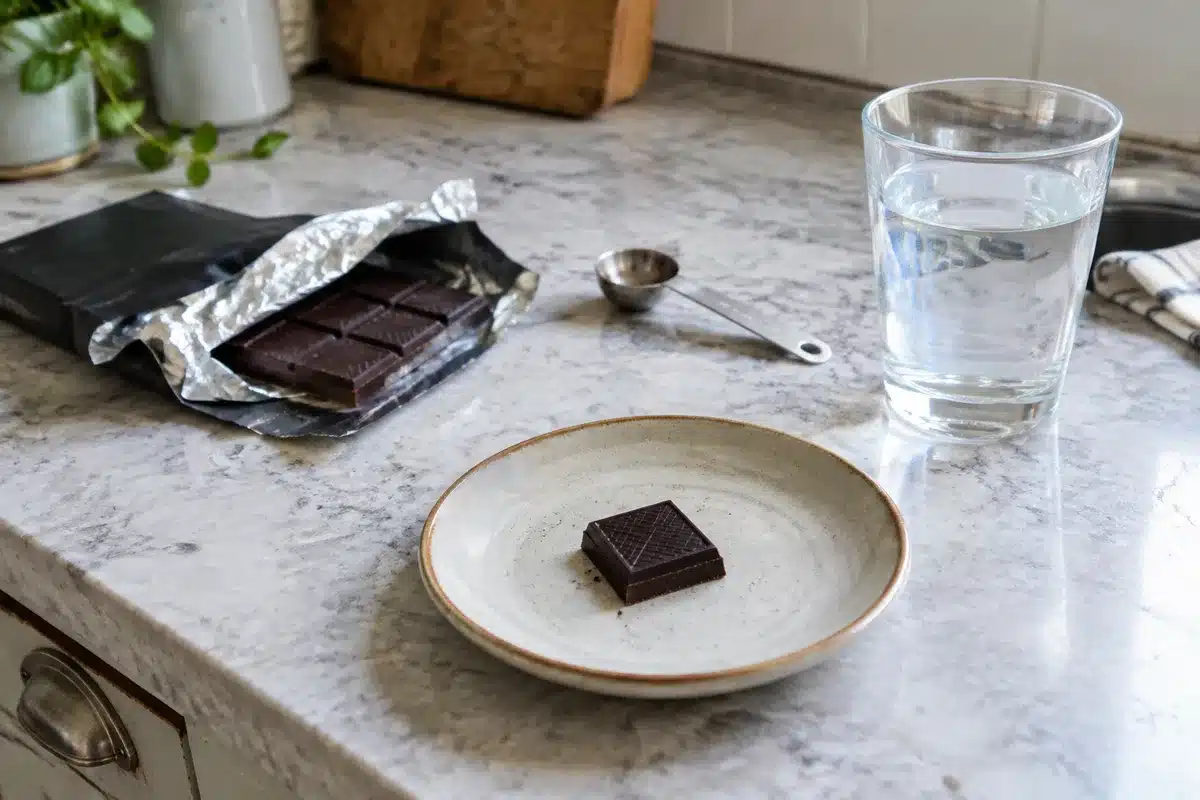
- Limit portion size to a small square or two per day to avoid excess calories.
Warnings and consumer safety points
- Some people are sensitive to caffeine in dark chocolate and may experience headaches or sleep trouble.
- Heavy metals have been detected in a few products. Buy from reputable manufacturers when possible.
- Milk and white chocolate lack the same cocoa solids and do not provide the same health advantages.
Balancing quality, quantity and your overall diet will determine whether dark chocolate becomes a healthful addition.