Show summary Hide summary
- From a busy city life to a quiet village: the hidden cost of moving
- When days blend together: the quiet routine that follows retirement
- How rural life and limited income increase social isolation among seniors
- Practical local supports that can make a difference
- Small, everyday moves that rebuild social life
- What communities and municipalities can do to help
- Readers: would you choose a village or the city for retirement?
Many picture retirement as a chance to slow down and enjoy life. For some, though, the change brings a different reality: shrinking social circles, long hours at home and a sense of being cut off from the world. That is the experience of Geneviève, 71, who moved from Toulouse to a tiny rural village and now faces the heavy weight of loneliness.
From a busy city life to a quiet village: the hidden cost of moving
Breakfast cereals with kids’ favorite ingredient contain double the lead
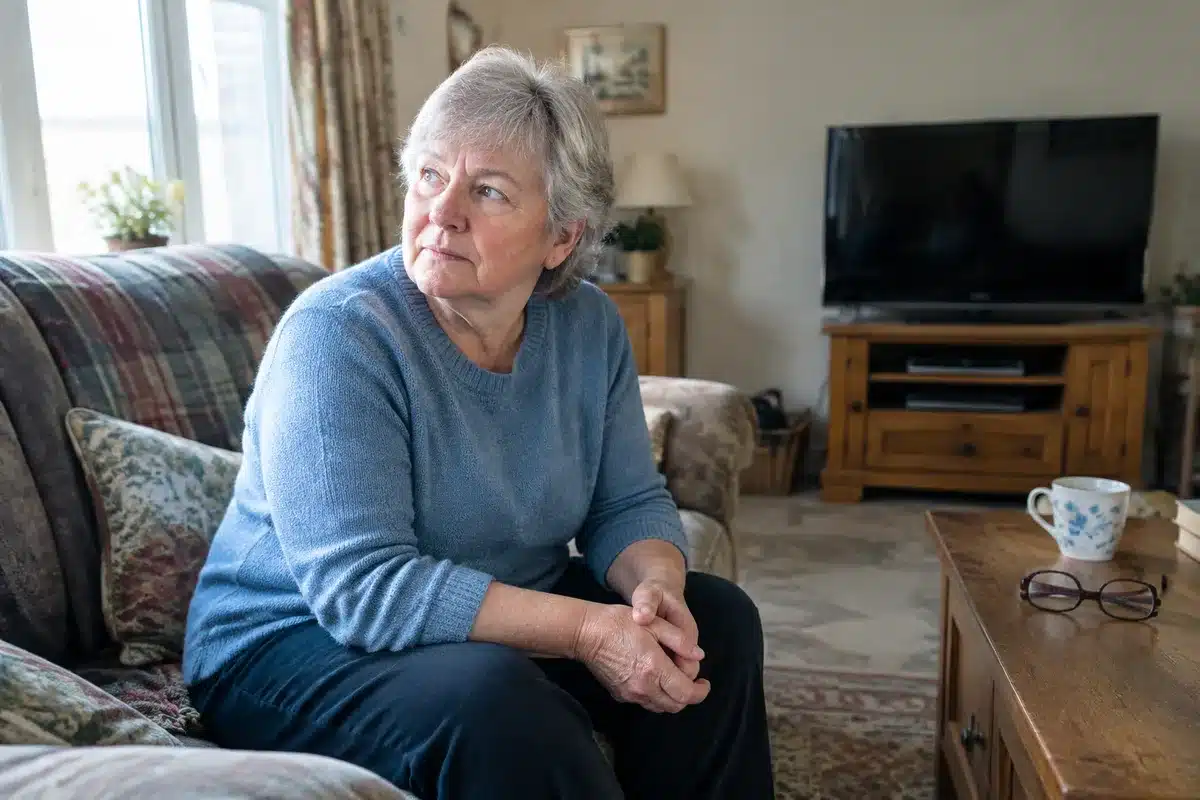
71-year-old isolated retiree in rural village: spends days watching TV and gaining weight
Geneviève spent her adult life in Toulouse. She danced at the Capitole and later worked in the city’s water department. Her daily rhythm was full of coworkers, rehearsals and outings.
After retiring, financial limits pushed her to return to a small village where she owns a house. The place is familiar from childhood. The setting is peaceful. But the social ties are not the same.
She left a vibrant urban network and found herself in a community of about 700 residents. Family history is there, yet the friends she built as an adult are far away. The result is a comfortable home with few human connections that would inspire her to leave it.
When days blend together: the quiet routine that follows retirement
In her account on national television, Geneviève described slow days framed by the television screen and the sofa. Small pleasures are rare. Tasks feel repetitive. Weeks pass with little variety.

This situation is about more than boredom. It is the loss of a daily structure and the feeling of not being expected anywhere. That emptiness lowers energy and makes even small changes hard to start.
Retirement can therefore become a period of deep isolation, especially when friends and activities disappear with the workplace.
How rural life and limited income increase social isolation among seniors
Moving to the countryside can reduce housing costs. But it can also place older adults further from shops, public transport and community activities.
For seniors on modest pensions, the trade-off between affordable housing and social access is painful. When local services are scarce, meeting new people becomes a real challenge.
Experts and social workers point out that isolation affects health, mobility and mental well-being. The risk is higher for those who live alone and lack nearby family.
Practical local supports that can make a difference
There are affordable options that communities and seniors can use to reconnect. Many are low-cost or free.
Community groups and activities
- Senior clubs and day centers offering meals and workshops.
- Local associations organizing crafts, dance, or walking groups.
- Parish or cultural events that welcome newcomers.

Transport and mobility aids
- Municipal or nonprofit shuttle services for shopping and appointments.
- Volunteer-driven car pools and “transport solidaire.”
- Subsidized taxi vouchers in some communes.
Health and social services
- Centers for communal social action (CCAS) that list available help.
- Home-visit programs by social workers or nurses.
- Telephone check-ins and local buddy systems for isolated seniors.
These solutions are often within reach, but they depend on visibility, local funding and a senior’s ability to ask for help.
Small, everyday moves that rebuild social life
Big transformations start with simple habits. Reintroducing routine can restore meaning to days.
- Attend one local event each week. A single visit can lead to a repeat invitation.
- Invite a neighbor for coffee to open a regular connection.
- Volunteer a few hours a month to meet people and regain purpose.
- Use phone calls and messaging to stay in touch with distant friends.
- Try a short course, library group or hobby class to create new ties.
Each step takes little money but can change how a day feels. Regular, modest activities deliver steady benefits.
What communities and municipalities can do to help
Local policy can reduce the gap between affordable housing and social life. Practical measures work well when they are coordinated.
- Fund neighborhood hubs that host social activities.
- Develop affordable transport solutions for smaller villages.
- Promote volunteer visitor programs and buddy systems.
- Publicize existing services clearly at the town hall and online.
When municipalities prioritize social inclusion, older residents gain access to networks that protect against isolation.
Readers: would you choose a village or the city for retirement?
Would you prefer rural calm or urban connectivity when you retire? Share your view and tell us what matters most for a fulfilling later life.