Show summary Hide summary
A new analysis has raised fresh questions about the safety of some plant-based staples. Researchers testing 212 vegan and vegetarian products sold in Britain found fungal toxins in every sample. The finding has sparked concerns about long-term exposure to mixtures of mycotoxins in widely consumed foods such as plant-based meats and milks.
Study design and standout findings from the lab
Mycotoxins detected in hundreds of vegan products: almond milk included
Broccoli shots surge: athletes and Kim Kardashian embrace them despite mild fartlike taste
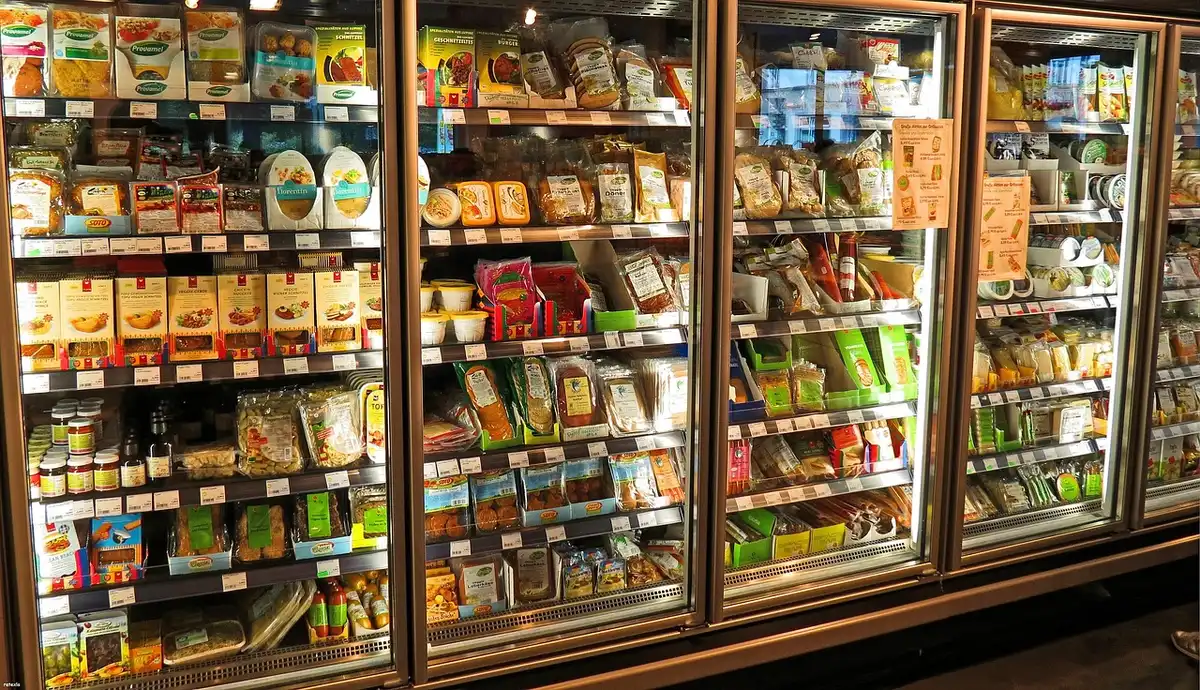
Teams from Italy, Spain and the UK bought samples from shops across Britain. They tested 92 plant-based meat alternatives and 120 plant-based milks. Every product contained at least one mycotoxin.

Plant-based meats showed more contamination than milks, especially with toxins linked to Fusarium fungi. Key results included:
- Enniatin A and enniatin A1 found in over 93% of meat-alternative samples.
- Beauvericin present in about 98.9% of the products tested.
- Mycotoxin concentrations were generally low and below current regulatory limits.
Which plant-based milks were worst affected?
Not all alt milks were equal. The highest variety of mycotoxins appeared in oat-based drinks. Almost all oat samples contained beauvericin. A large share also had the HT-2 toxin.
HT-2 toxin has a documented history of severe health effects in high-dose outbreaks. Historical episodes in the 20th century linked it to a food-borne illness with high fatality in affected populations. Some records suggest it was researched in the context of biological warfare decades ago.
Soy drinks often tested positive for ochratoxin, a compound that can affect kidneys and is listed as a possible human carcinogen. Nut-based milks, such as almond drinks, had fewer types of mycotoxins but still showed traces of beauvericin and enniatins.
Quick comparison
- Oat milk: highest variety and frequent HT-2 and beauvericin.
- Soy milk: notable rates of ochratoxin.
- Nut milks: lower diversity, but not free of contamination.
Understanding the health implications
Even though measured levels were typically under regulatory thresholds, scientists warn about repeated exposure to multiple toxins. The long-term effects of chronic, low-level contact with several mycotoxins at once are not well known.
The authors emphasize that co-occurrence of multiple mycotoxins may elevate risks. Laboratory studies hint that these compounds can interact and amplify harm. More research is needed to map real-world effects.
How do mycotoxins end up in plant-based foods?
Mycotoxins are natural byproducts of molds that grow on crops. Grains, legumes and some fruits are especially vulnerable during growth and storage. Conditions in the field or in silos can let fungi thrive and produce toxins.
Plant-based meats often include wheat gluten, seitan or other grain-derived binders. Oat milk relies on grain as its base. That explains why these categories showed higher contamination in the study.
The researchers point to two factors that likely increased contamination in meat substitutes:
- They contain more ingredients, increasing the chances one component carries toxins.
- They have less water than diluted beverages, so any toxin present becomes relatively more concentrated.
Regulation, monitoring and what authorities are doing
Study authors call for updated limits and targeted monitoring, especially in Europe where the research occurred. They suggest setting caps for certain mycotoxins in specific food categories and tracking ingredients such as legumes.
In the United States, the FDA runs monitoring programs to detect mycotoxins. The agency focuses on several groups of toxins and has testing methods and safety guidance for a subset of them.
- Fumonisins
- T-2 and HT-2 toxins
- Ochratoxin A
- Aflatoxins
- Deoxynivalenol (DON)
- Patulin
- Zearalenone
What shoppers should know and the limits of individual action
The FDA notes that consumers have little direct control over mycotoxin presence in raw ingredients. Fungi that produce these chemicals grow during crop production and in storage.
Safe handling at home cannot remove mycotoxins once they are present in ingredients. That places the burden on supply chains, testing programs and regulation to reduce contamination risks.