Show summary Hide summary
- Which supplements fail lab tests most often
- Three high-risk categories to watch
- Why undeclared ingredients are dangerous
- How the FDA and independent certifiers respond
- Label claims vs. legal limits
- Practical steps to reduce your risk
- Common label and marketing warning signs
- What to do if you suspect a dangerous product
Open your medicine cabinet and take a careful look at any supplement bottles. Many products promise quick fixes, but testing and enforcement actions show some supplement types carry higher risks than others. Knowing which categories are most often flagged and how to spot safer options can help you avoid harm and wasted money.
Which supplements fail lab tests most often
biohacker kids: growing up with dads chasing immortality
Natural hangover remedy could cause accidental pregnancy
Independent testing and FDA investigations repeatedly point to a pattern. Some supplement lines are more likely to contain ingredients that are not listed on the label. That can include prescription drugs, illegal stimulants, or toxic botanicals.
Third-party labs and the FDA have found undeclared or mislabeled substances most often in products that claim rapid benefits. These findings matter because consumers cannot verify ingredients from the bottle alone.
Three high-risk categories to watch
Across multiple reports, three groups of supplements stand out for safety and labeling problems.
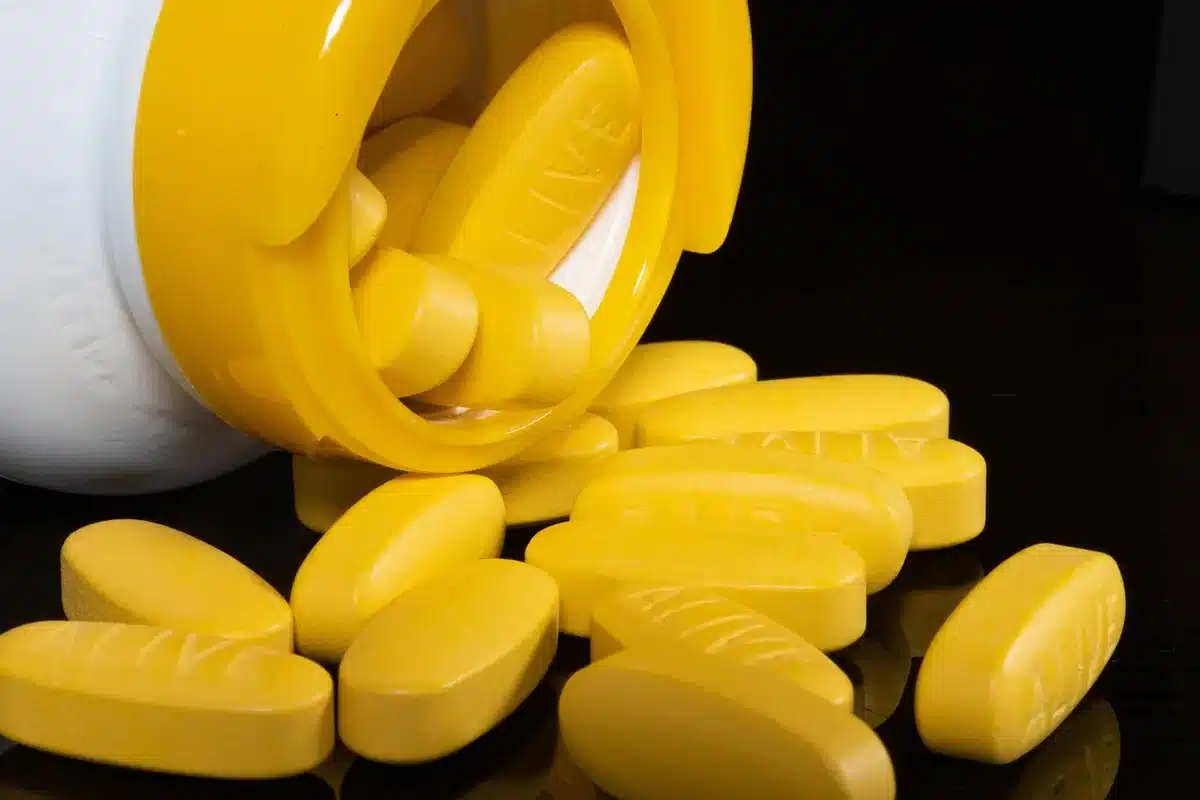
Sexual enhancement supplements
- Many products promise improved sexual function or immediate performance gains.
- Testing has repeatedly detected prescription drugs, like erectile dysfunction medicines, that are not listed on the label.
- These hidden pharmaceuticals can interact dangerously with other medications.
Weight-loss supplements
- These often claim dramatic results that sound like medical treatments.
- Regulators have identified illegal stimulants and toxic plants in some products.
- Some ingredients can harm the heart or other organs.
Sports performance and bodybuilding supplements
- Manufacturers sometimes add powerful substances to boost strength or endurance.
- Studies show a high rate of inaccurate labels in this category.
- Athletes risk positive drug tests and health complications from undisclosed compounds.
Why undeclared ingredients are dangerous
When a product contains compounds not listed on its label, users face several risks.
- Drug interactions. Hidden prescription drugs can interact with blood pressure meds and other prescriptions.
- Allergic reactions. Consumers cannot avoid allergens they do not know are present.
- Overdose or toxicity. Potent stimulants or toxic herbs can damage organs or cause life-threatening events.
- False security. People may delay proven medical treatment after relying on unapproved remedies.
How the FDA and independent certifiers respond
The FDA does not pre-approve dietary supplements for safety or effectiveness. Instead, the agency steps in after problems appear.
- FDA actions can include public warnings and product recalls.
- Enforcement targets products with undeclared prescription drugs or dangerous botanicals.
- Independent organizations, such as NSF and Informed Sport, test and certify products for label accuracy and contaminant absence.
Third-party certification adds an extra safety layer. It verifies that what’s on the label matches the contents and that manufacturing meets quality standards.
Label claims vs. legal limits
Supplements can legally support normal nutrition, not treat diseases. Yet some labels and ads cross that line.
- Products marketed to treat erectile dysfunction or reverse diabetes should be regulated as drugs.
- Claims of curing medical conditions are red flags for illegal marketing.
- Legitimate supplements should focus on supporting diet and wellness, not promising cures.
Practical steps to reduce your risk
Shop with caution and use tools that separate trustworthy products from risky ones.
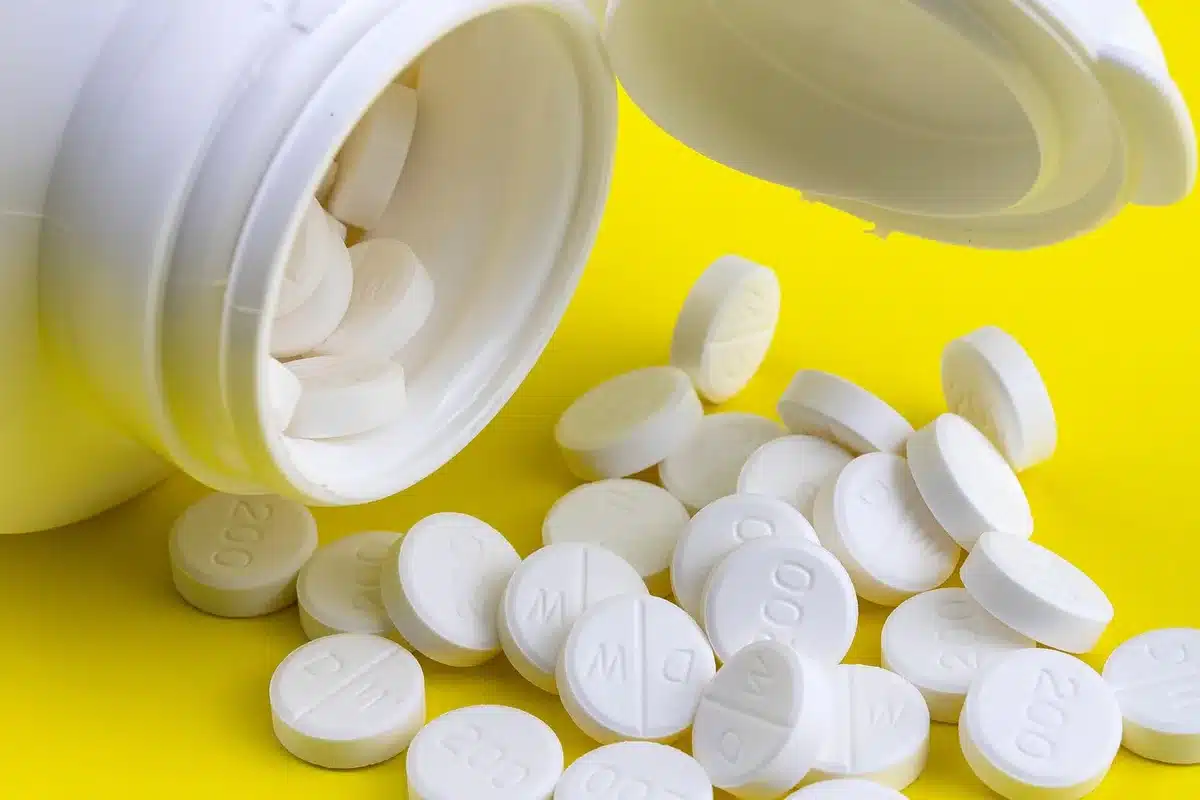
- Look for recognized third-party seals, such as NSF or Informed Sport.
- Check whether the product batch or lot number is displayed on the bottle.
- Research the manufacturer’s reputation and recalls history.
- Ask your healthcare provider before starting new supplements, especially if you take prescription drugs.
- Be skeptical of claims that sound too good or promise fast cures.
Independent verification and medical advice are the most reliable safeguards when using supplements.
Common label and marketing warning signs
Some packaging cues often signal higher risk. Watch for these indicators when you shop.
- Grandiose promises of rapid weight loss or instant sexual performance.
- Vague ingredient lists or proprietary blends that hide amounts.
- No third-party testing seal or contact information for the manufacturer.
- Online-only sellers with limited accountability.
What to do if you suspect a dangerous product
If a supplement makes you sick or you spot misleading claims, report it. Local health agencies and the FDA collect complaints. Third-party certifiers may also investigate products that fail testing.
- Save the bottle and label, including the lot number.
- Contact your healthcare provider about any symptoms or possible drug interactions.
- Report adverse events to the FDA’s MedWatch system.