Show summary Hide summary
A large UK study suggests that what you say you like to eat may predict how long you live. Instead of asking people to list recent meals, researchers asked about food preferences and tracked survival over time. The patterns are striking: certain favorites line up with lower mortality, while a few common choices appear linked to higher death rates.
How researchers used “likes” to map diet and lifespan
Longevity: a simple food common to the world’s longest-lived people, science finds
Lemon and coarse salt: grandma’s surprisingly effective remedy everyone is trying
About 177,000 adults across the United Kingdom answered questions about the foods they enjoy. The study did not rely on short-term food diaries or 24-hour recalls. Instead, it asked participants which foods they liked or disliked.

- Preference-based questions capture long-term tastes.
- Actual meals vary with price and availability.
- Likes often predict what people would eat if barriers were removed.
After tracking the group for just over three years, researchers compared reported preferences with survival. Roughly 3,300 participants died during follow-up. The study used those outcomes to look for links between favorite foods and mortality risk.
Foods and drinks tied to a higher risk of death
The analysis identified five items whose fans had a higher chance of dying during the study period. These associations do not prove cause and effect, but they track with what we know about processed foods and added sugars.
- Soda: Liking regular soda was linked to a 38% higher risk of death.
- Diet soda: Preference for diet cola or similar drinks showed a 23% higher risk.
- Tea with sugar: People who liked sweetened tea had a 22% higher risk.
- Whole milk: Preference for full-fat milk was associated with an 18% higher risk.
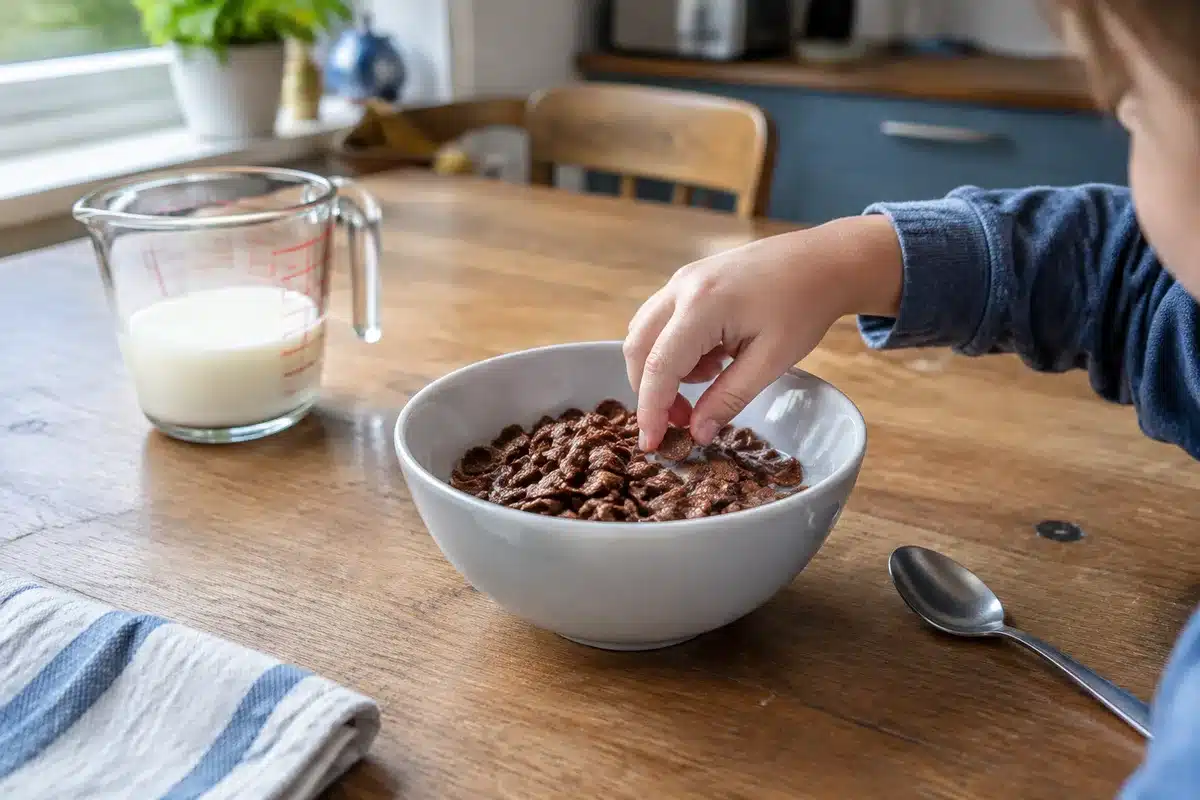
- Corn flakes: A popular ultra-processed cereal, linked to a 20% higher risk.
Researchers noted that ultra-processed items can add calories and additives. Sugary drinks are tied to obesity and blood-sugar problems. Still, the causes of death were recorded as “all-cause,” and the number of deaths was relatively small for some comparisons.
Notably, alcohol preferences — beer, wine or spirits — did not show a strong link to higher mortality in this dataset.
Favorite foods associated with longer life
On the other side, several ingredients and vegetables stood out for their association with lower mortality. These items often appear in diets that emphasize whole foods and plant-based cooking.
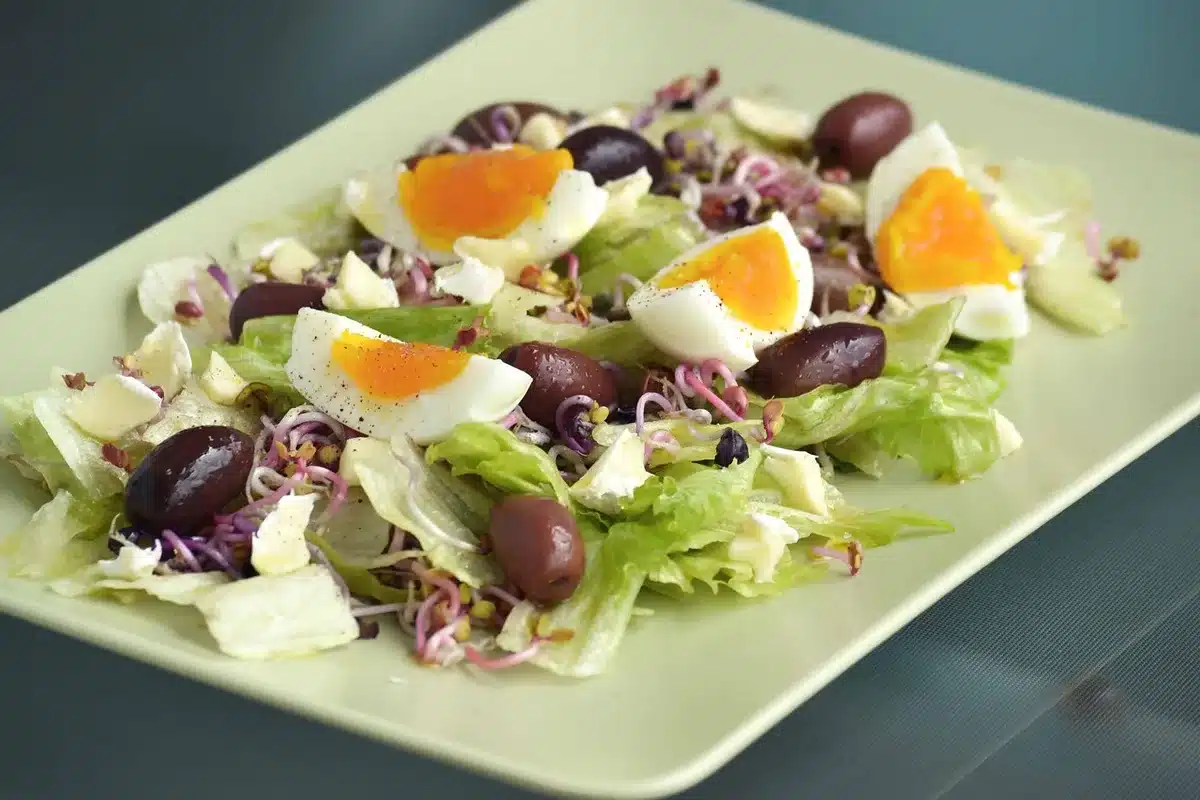
- Extra virgin olive oil: Liking this oil was tied to a 33% lower risk of death.
- Black pepper: A common seasoning, associated with a 28% lower risk.
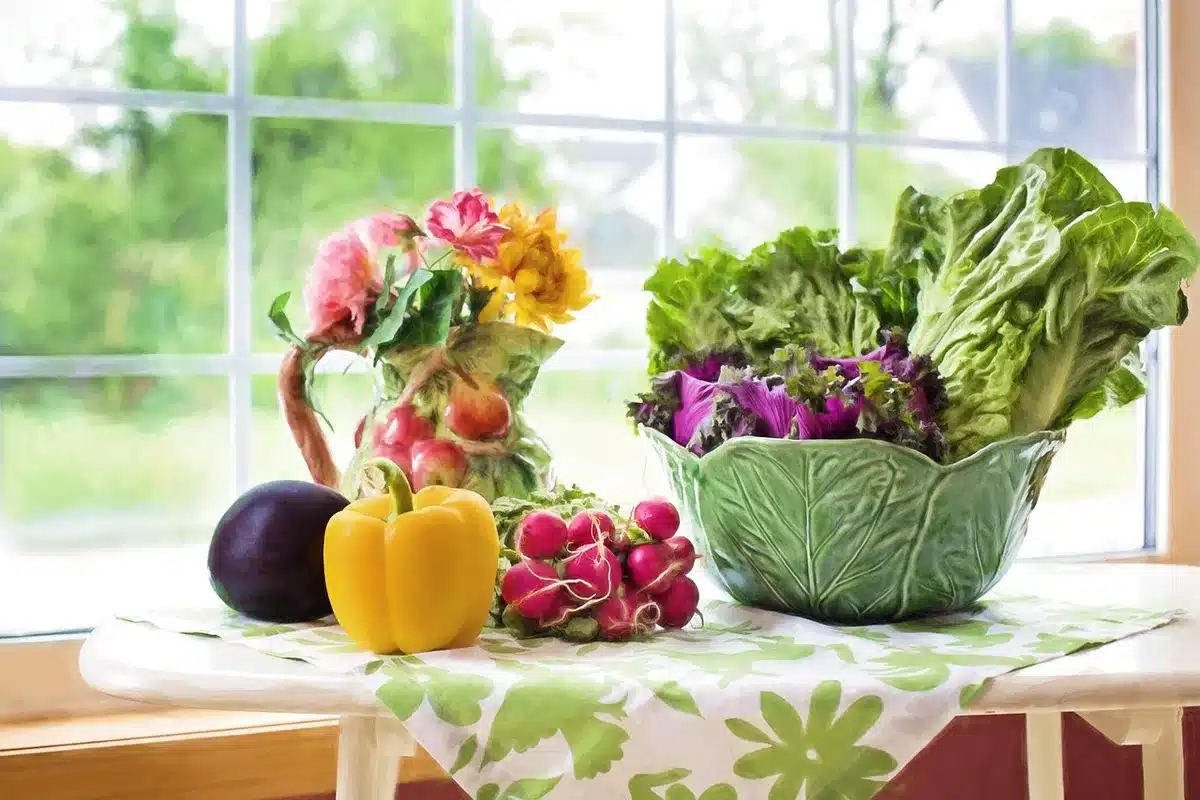
- Asparagus and broccoli: Fans of these veggies showed about a 31% lower risk.
- Butternut squash: Linked to a 25% lower risk.
- Eggplant: Associated with a 21% lower risk.
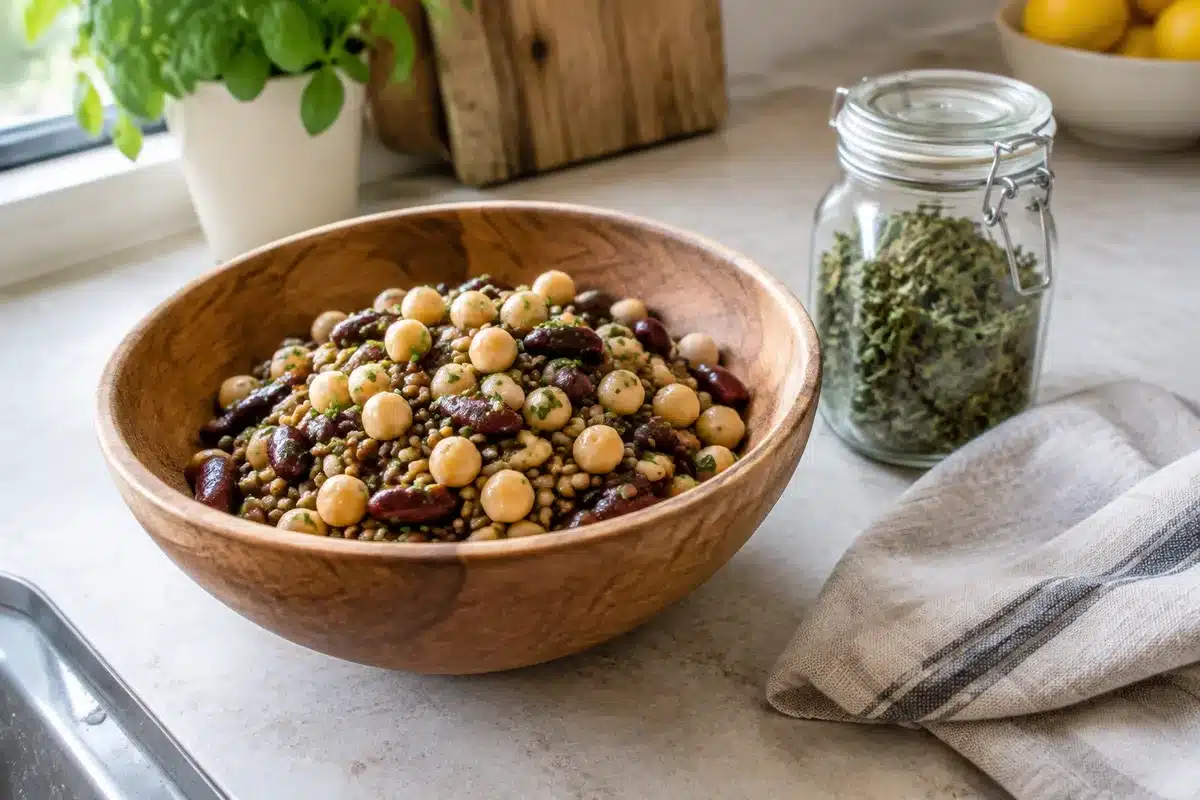
Other plant-forward items also correlated with lower death rates. Whole-wheat bread, spinach, salad greens, onions, mushrooms, lentils, beans and bell peppers were among foods tied to improved survival.
What these patterns suggest about healthy eating
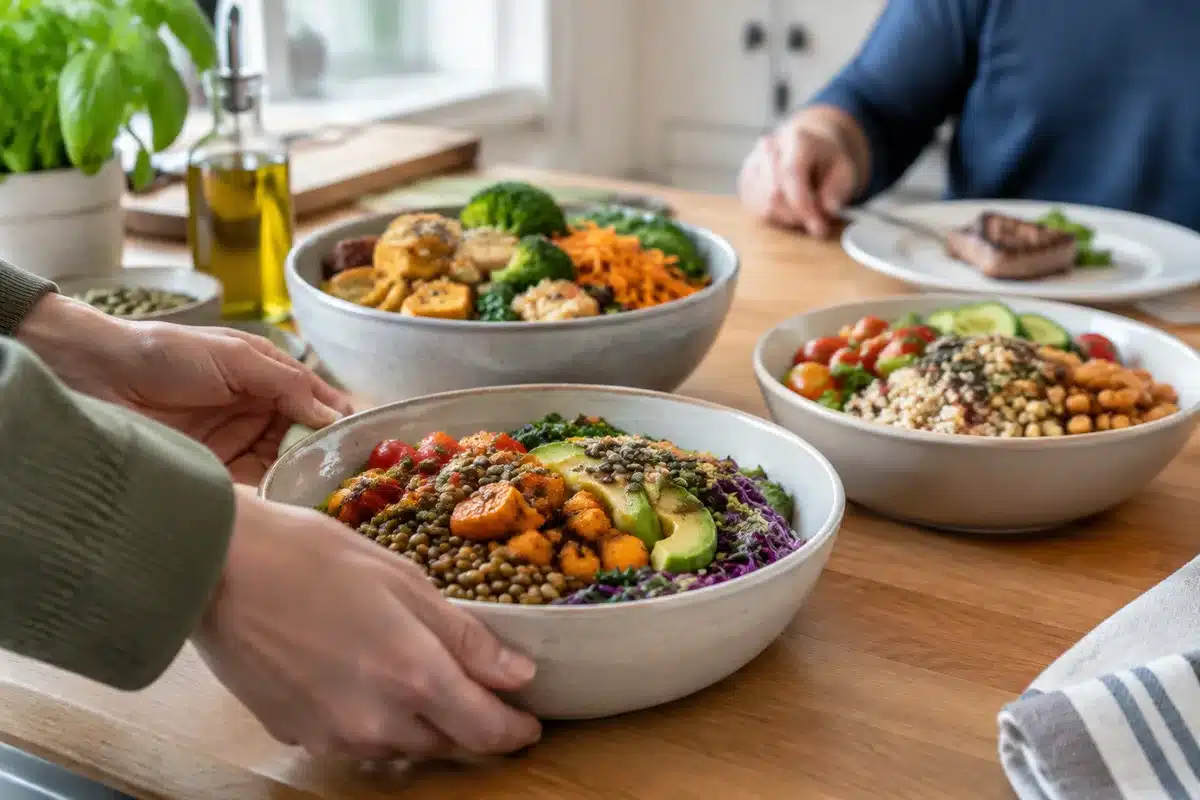
The list of beneficial favorites resembles foods common in the Mediterranean diet. That eating pattern is known for benefits such as better weight control, lower metabolic disease risk and brain-protective effects.
Cooked meals using olive oil and vegetables may help limit excess calories and improve nutrient intake. Seasonings like black pepper could reflect more home-cooked, ingredient-focused eating rather than processed convenience foods.
Limitations and things to keep in mind
- The study is observational. Associations do not equal causation.
- Deaths were recorded as all-cause; not all were diet-related.
- About 3,300 deaths occurred, which affects statistical precision.
- Preferences may still be influenced by culture, income and access.
Despite those limits, asking people what they like offers a stable window into long-term eating patterns. Preferences change less often than short-term intake, and they matter when availability and price are constant.
Practical takeaways for everyday eating choices
- Favor whole vegetables, legumes and whole grains.
- Cook at home using extra virgin olive oil and simple spices.
- Limit sugary drinks and highly processed cereals.
- Be aware that preferences shape long-term habits.