Show summary Hide summary
- Why a Taco Bell favorite caught a longevity expert’s attention
- Calorie and sugar math: what you get in a large Baja Blast
- Why high fructose corn syrup and ultra-processed foods worry experts
- Bright color, hidden questions: artificial dyes in the drink
- What’s listed on the label: common additives and formulations
- Practical swaps: healthier options at the drive-thru
Biohacker Bryan Johnson stirred online debate by targeting a popular fast-food drink, arguing that the neon-blue beverage many customers order without a second thought poses real health concerns.
Why a Taco Bell favorite caught a longevity expert’s attention
Biohacker Bryan Johnson slams popular drink as the worst thing to consume: how is this legal?
Mycotoxins detected in hundreds of vegan products: almond milk included
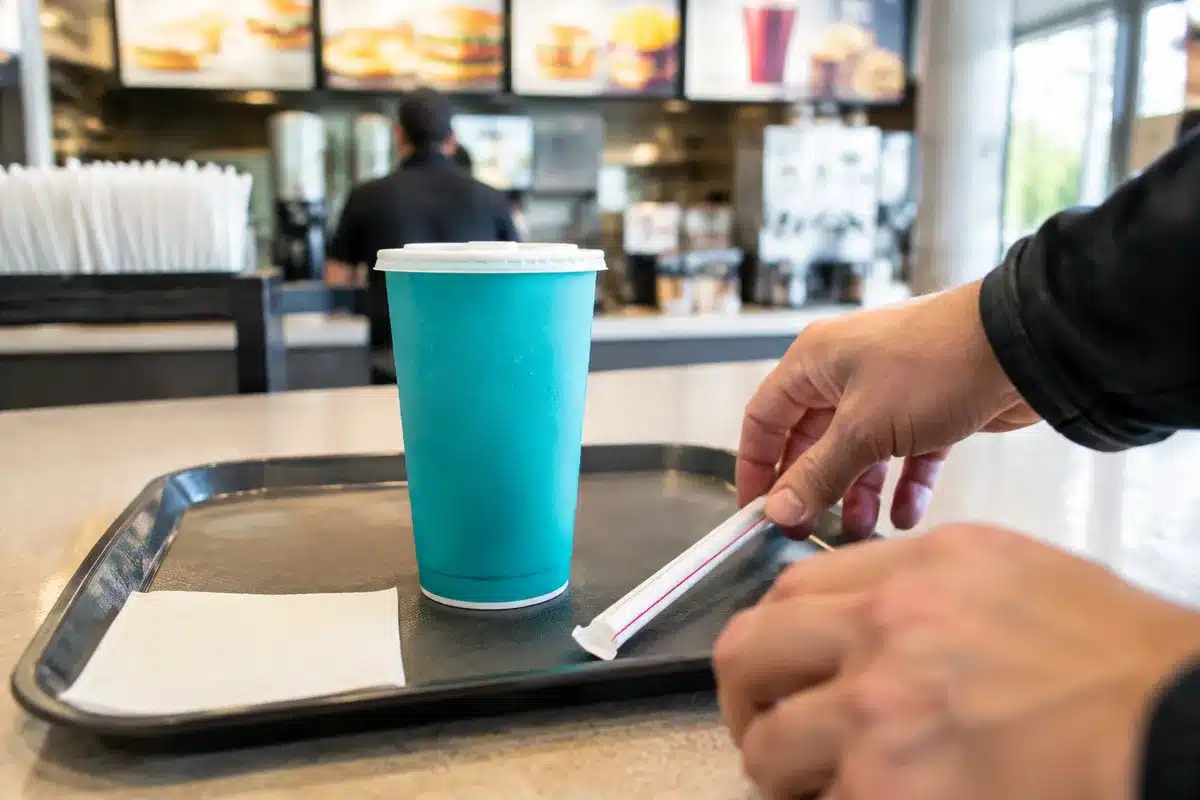
Johnson, known for extreme health experiments aimed at extending lifespan, called out MTN DEW Baja Blast in a post on X. He asked how the drink remains on shelves given its ingredients.
Baja Blast debuted as a Taco Bell exclusive in 2004 and later appeared in stores as cans and bottles. Millions of U.S. customers visit the chain each week, and the turquoise soda is a common choice.
- Some employees report high daily syrup use at busy locations.
- The drink is offered in multiple formats: regular, zero-sugar, and frozen slush.
Its ubiquity makes any health claims about it worth noticing.
Calorie and sugar math: what you get in a large Baja Blast
A large serving can contain hundreds of calories, mostly from sugar. In large sizes, the grams of sugar add up quickly.

To put numbers in perspective, major health groups recommend strict limits on added sugars daily. Exceeding those limits in one drink is common.
- High sugar content in a single cup can equal many times the recommended daily limit for women and men.
- All the sugar in the soda is added sugar, not the natural kind found in fruit.
Consuming that much added sugar at once has metabolic effects.
Why high fructose corn syrup and ultra-processed foods worry experts
Baja Blast and many sodas use high fructose corn syrup as their sweetener. That ingredient is common in processed beverages because it is cheap and sweet.
- Excessive sugar intake — regardless of source — is linked to weight gain and fatty liver.
- Ultra-processed foods are associated with higher risks of chronic disease.
- Frequent intake of sugary drinks can spike blood sugar and raise uric acid and blood pressure.
Health effects commonly cited include insulin resistance, increased liver fat, and cardiovascular strain.
Bright color, hidden questions: artificial dyes in the drink
The soda’s distinctive turquoise comes from synthetic dyes. These additives are approved, but not without controversy.

Some studies in animals have raised concerns about long-term exposure to certain dyes. Regulators say adverse reactions are rare, yet some people remain sensitive.
- Blue and yellow food dyes are linked in some research to allergic reactions and behavioral changes in children.
- Regulatory bodies have reviewed the evidence and called for more research on neurobehavioral effects.
Artificial coloring contributes no nutrients and may raise safety questions for sensitive groups.
What’s listed on the label: common additives and formulations
Beyond water and sweetener, the ingredient list typically includes acids, flavorings, preservatives, and colorants. Each plays a role in taste, stability, and appearance.
- Sweeteners (often high fructose corn syrup)
- Natural and artificial flavorings
- Acids for tartness
- Synthetic color additives
- Preservatives and stabilizers
Manufacturers also offer a zero-sugar variant that replaces sugar with nonnutritive sweeteners. Flavored “dirty” versions add creams or syrups for a different texture.
Practical swaps: healthier options at the drive-thru
You don’t need to follow a biohacker’s strict regimen to reduce risk from sugary drinks. Small changes at the counter make a difference.
- Choose water, unsweetened iced tea, or sparkling water instead of soda.
- Ask for a smaller cup or share a larger drink among friends.
- When buying bottled drinks, check labels for added sugars and ingredients.
- Opt for zero-sugar versions sparingly and be aware of artificial sweeteners.
Simple swaps reduce daily added sugar and lower exposure to ultra-processed ingredients.